Magadha was a very powerful, rather the most powerful Mahajanapada of the 6th century BCE. Primarily composing of today’s Bihar and East UP districts. It was the place of Haryanka Dynasty ruled by great kings like Bimbisara and Ajathasatru. It was followed by the Shishunaga dynasty, the Nanda dynasty, which was then followed by the great Mauryas. Initially their capital was Rajgir which was then shifted to Pataliputra (Patna). This land is the birthplace of Mahavira and Buddha. It has been a great learning centre with world’s first International University at Nalanda.We went on a four day trip trying to see and feel the 2600 odd years of history. Here is a short write up of that.
SARNATH
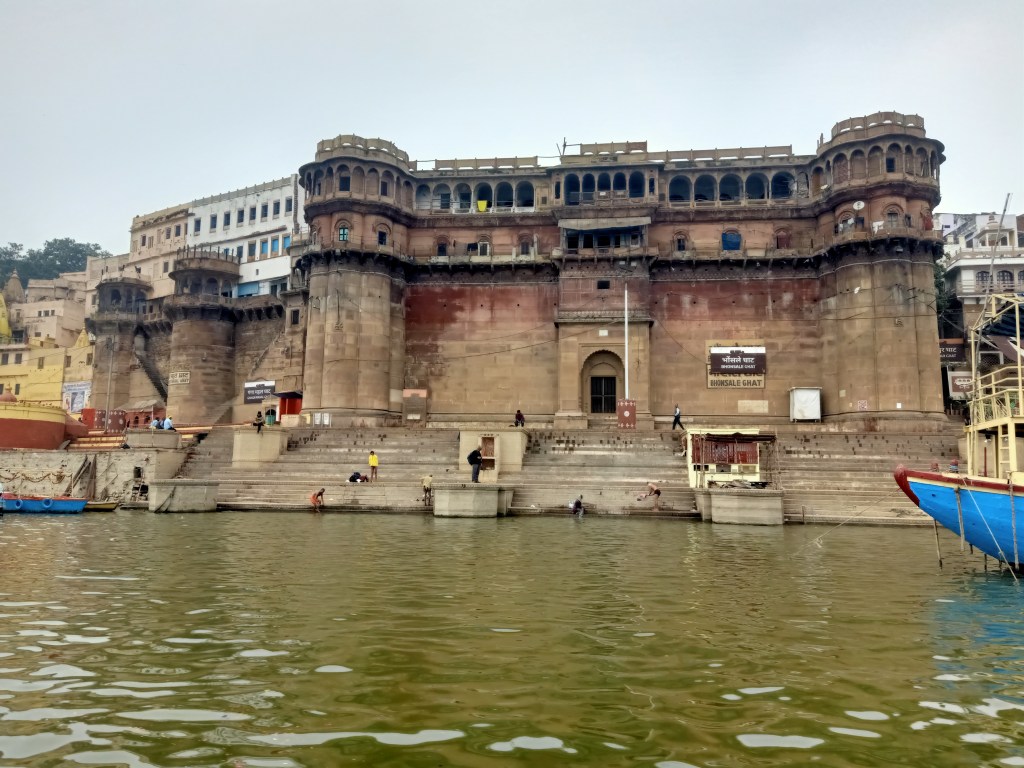
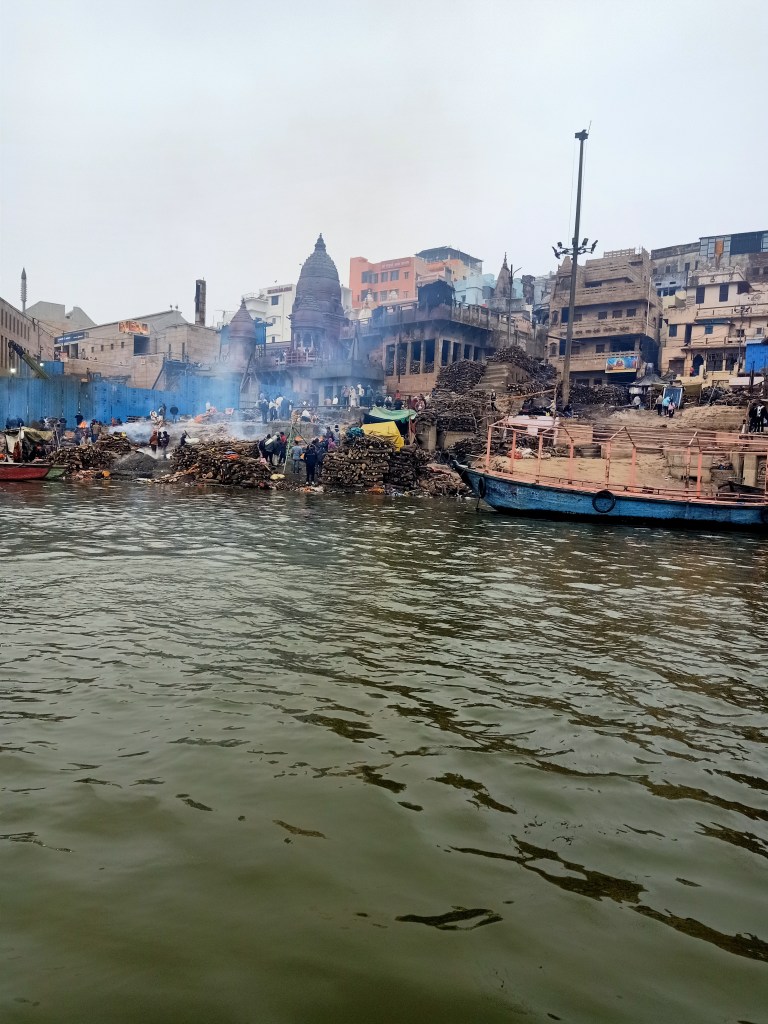
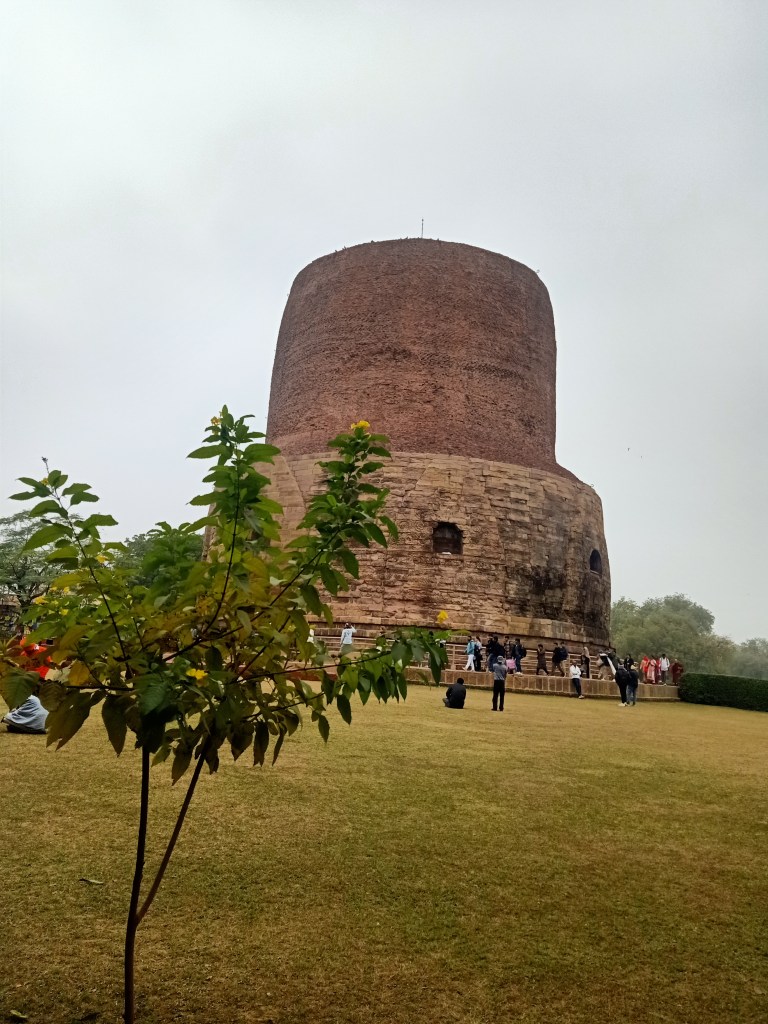
We flew to Varnasi from Chennai. After visiting the beautiful Ghats of Varnasi by boat, we visited Saranath, which is about ten km from Varanasi. It is a small town full of Buddhist temples, murals and of course the great stupa. Though Buddha was born in Kapilavastu (in today’s Nepal) he embarks on his wanderings trying to understand life through the forests of Bihar. He attains nirvana at Bodhgaya and proceeds further east to Sarnath. Here Buddha gives his first sermon. Later Sarnath Stupa was built by Emperor Ashoka commmerating this event. The Stupa is about 150 feet high and 90 ft wide. It is majestic to look at and is made of the typical terracotta bricks. There are two modern temples in the same campus (with one built by a King of Lanka). An interesting point to note is that the village has a huge settlement of weavers who make handloom Banarasi sarees.

BODHGAYA
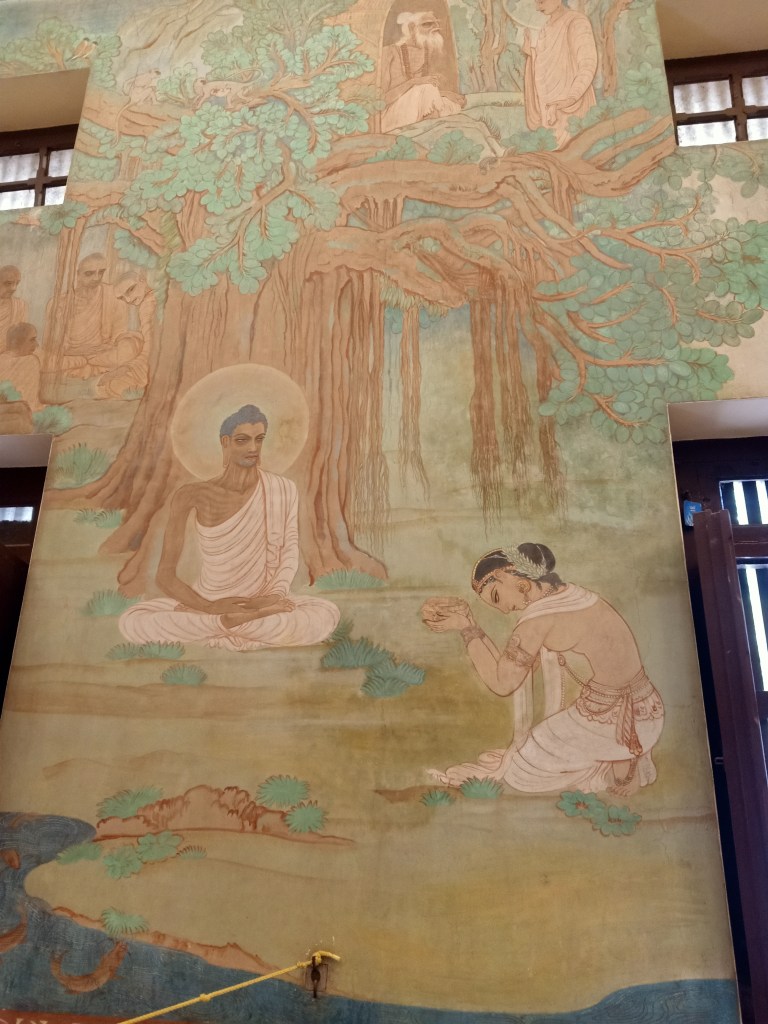
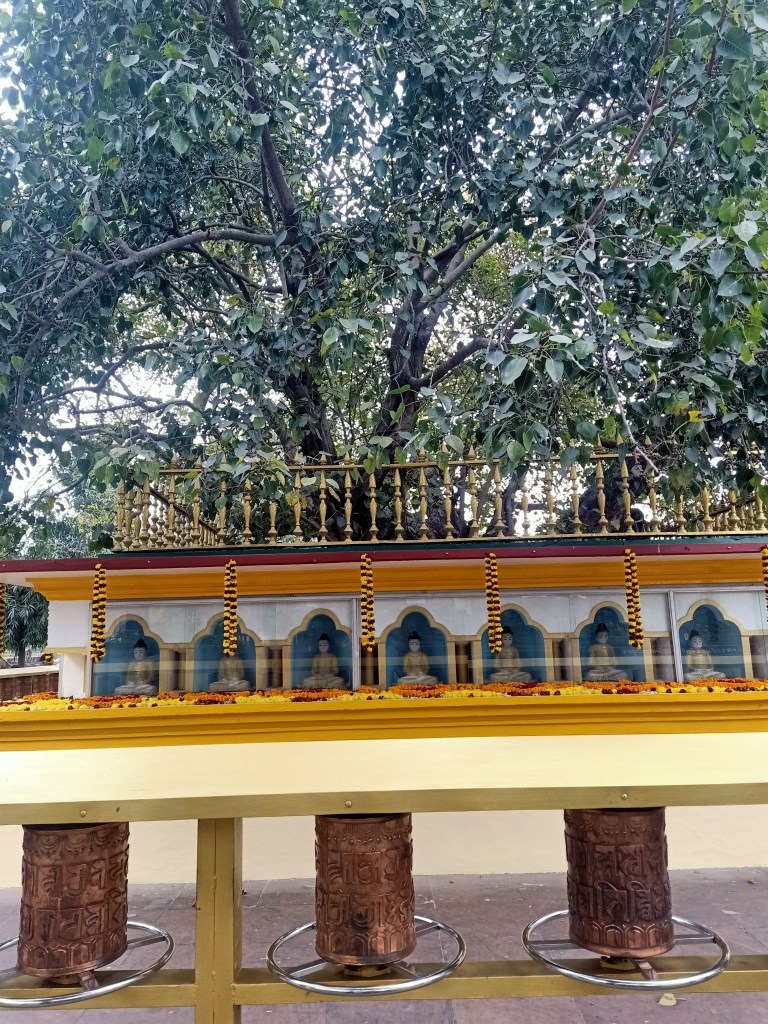
Bodhgaya is the place where Buddha is said to have received/achieved Nirvana. Buddha reaches Bodhgaya on his way from Rajgir. Here he meditates and turns into severely emaciated condition after a long tenure of fasting. A milkmaid (by name Sujatha) offers him porridge, which Buddha partakes and breaks his fast. This event turns Buddha from a path of severe austerities to moderation. He is said to have attained enlightenment under a Bodhi tree. He thus becomes Buddha the Enlightened one.
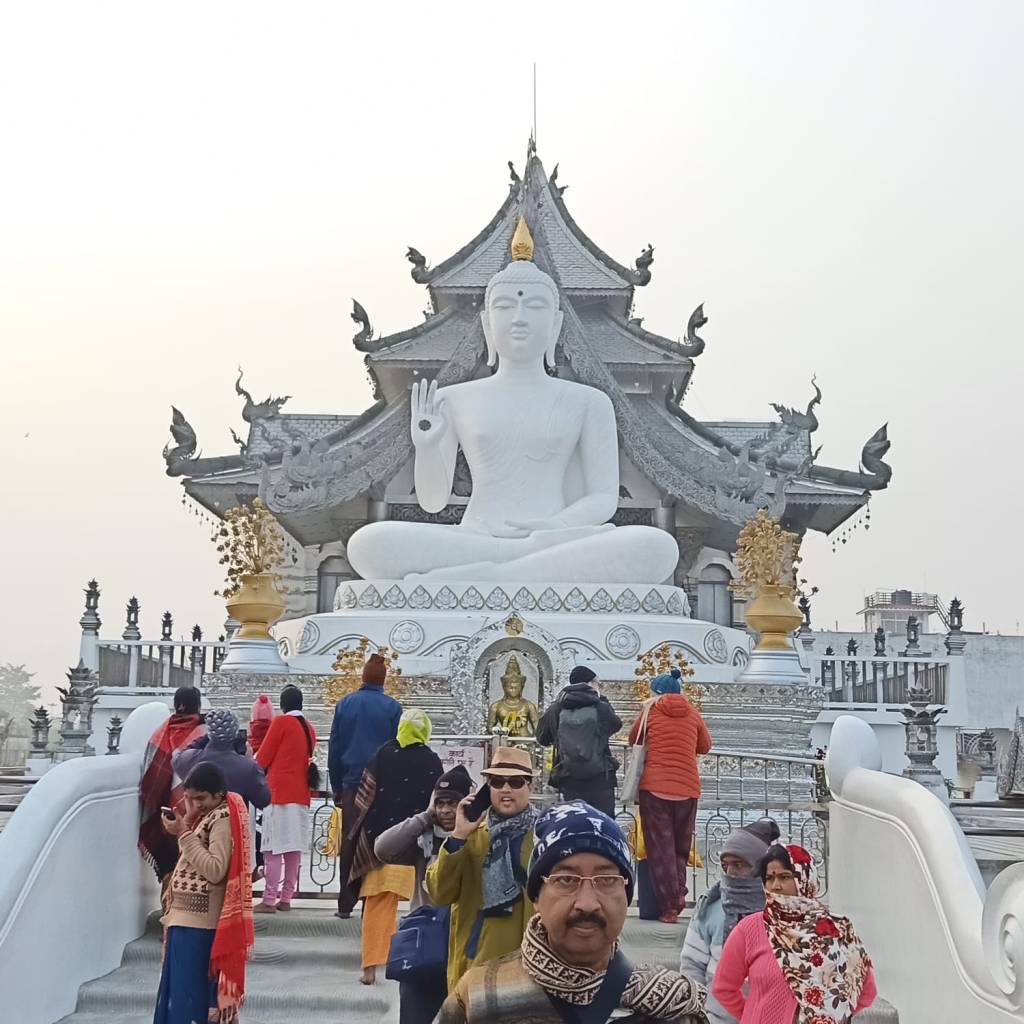
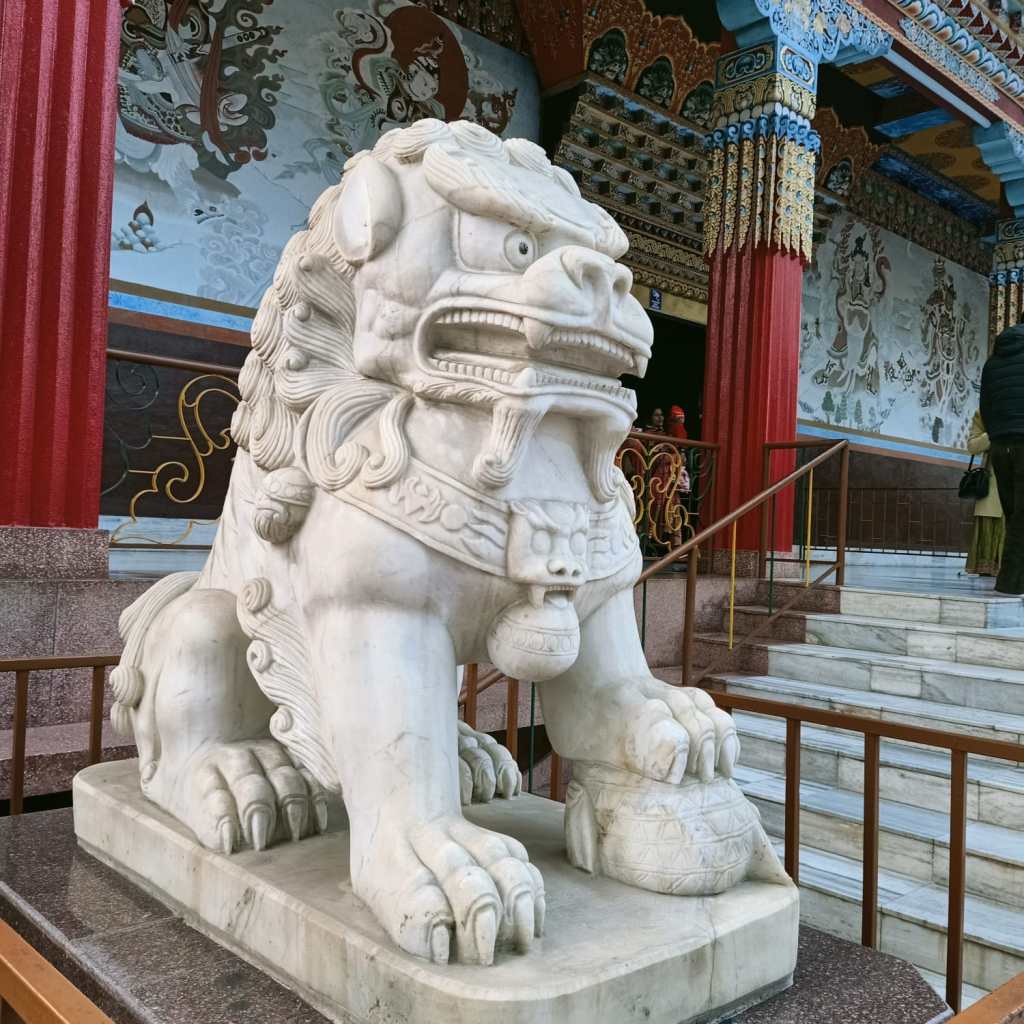
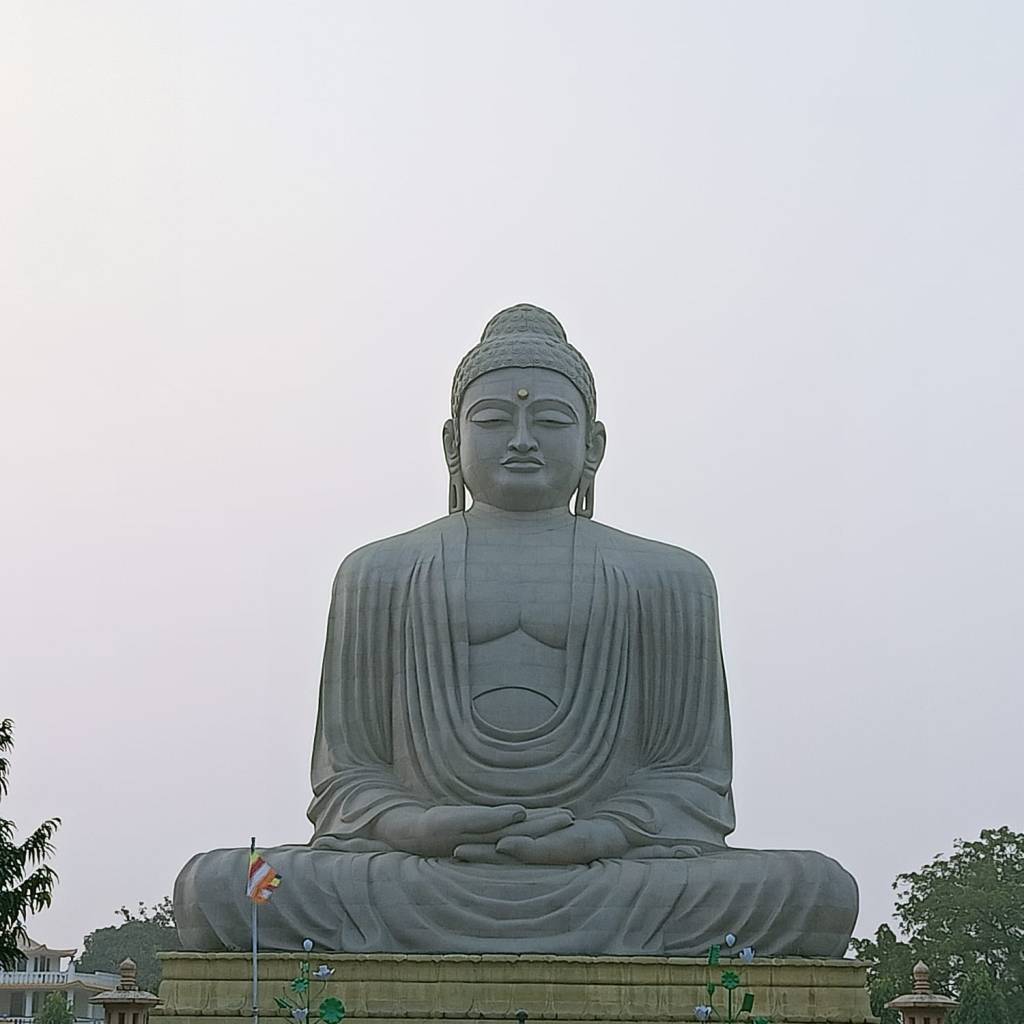
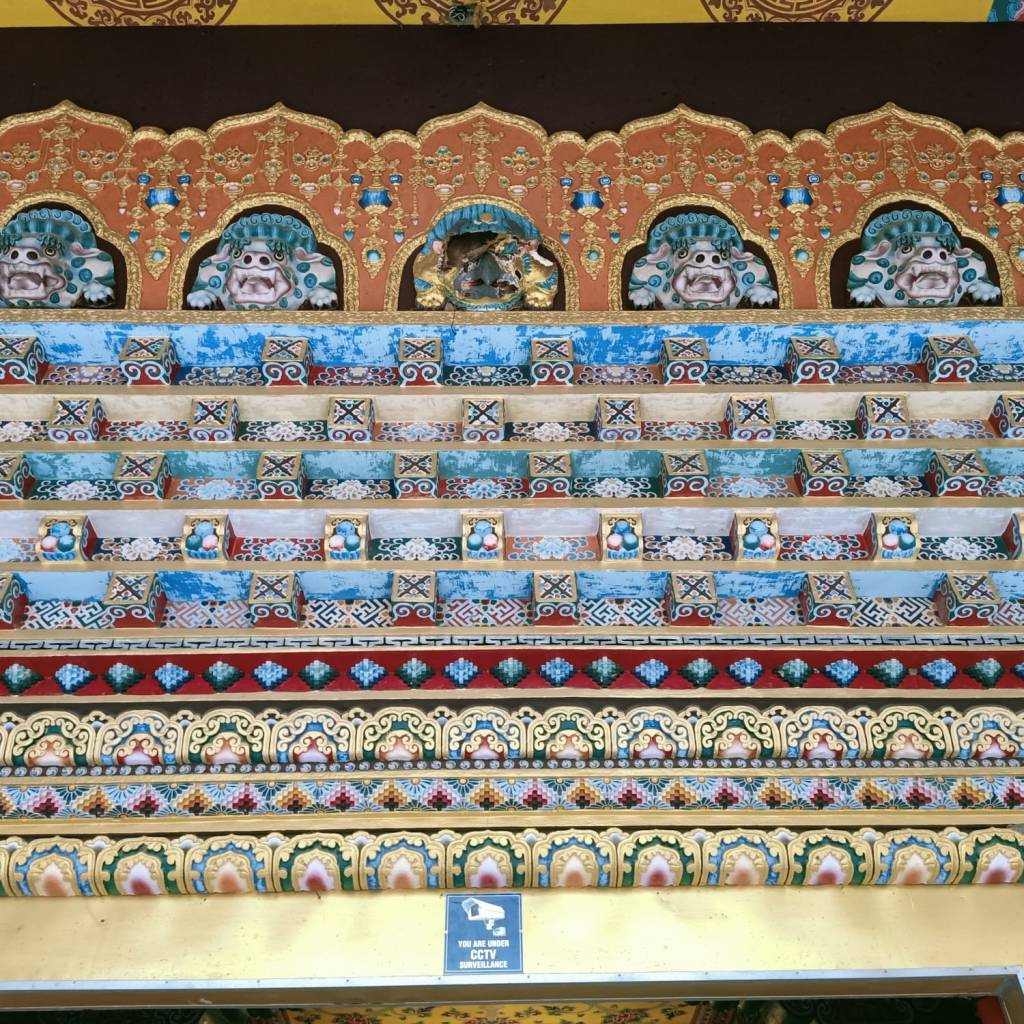
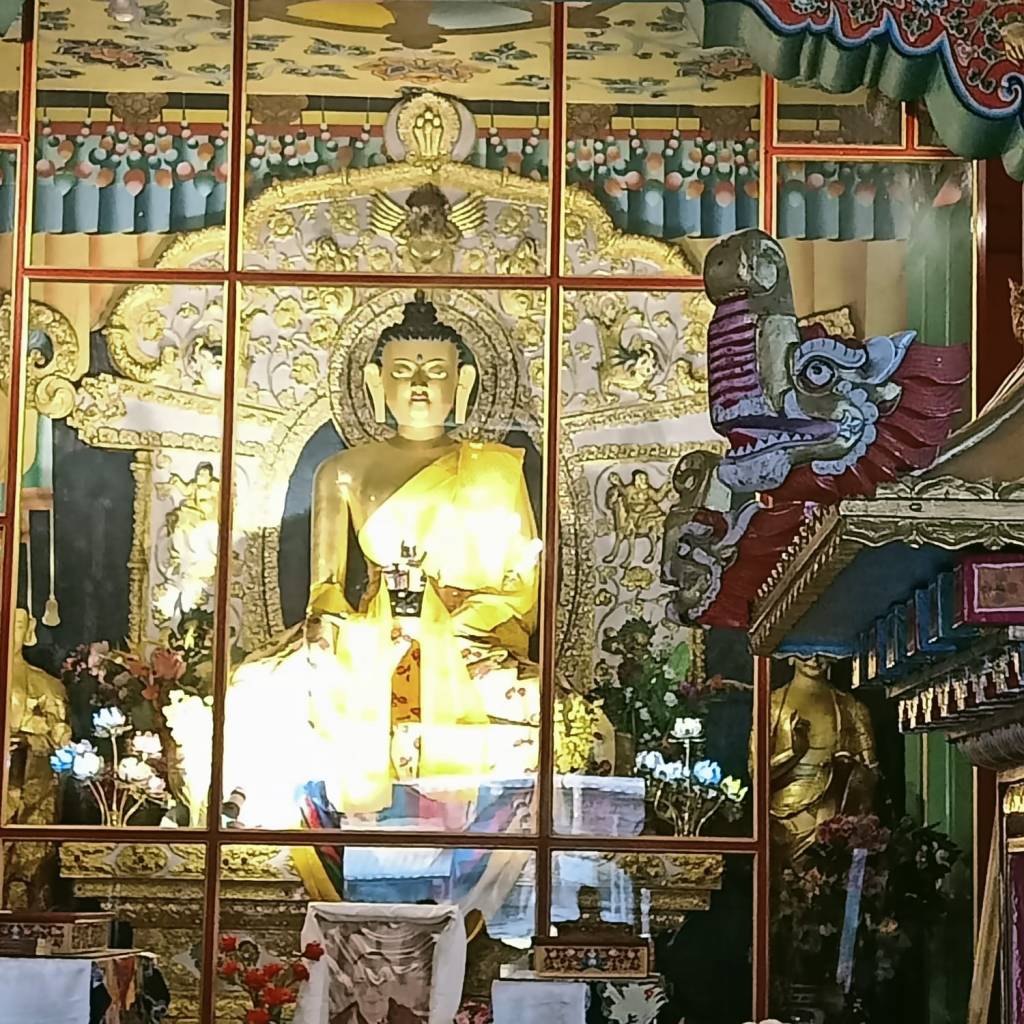
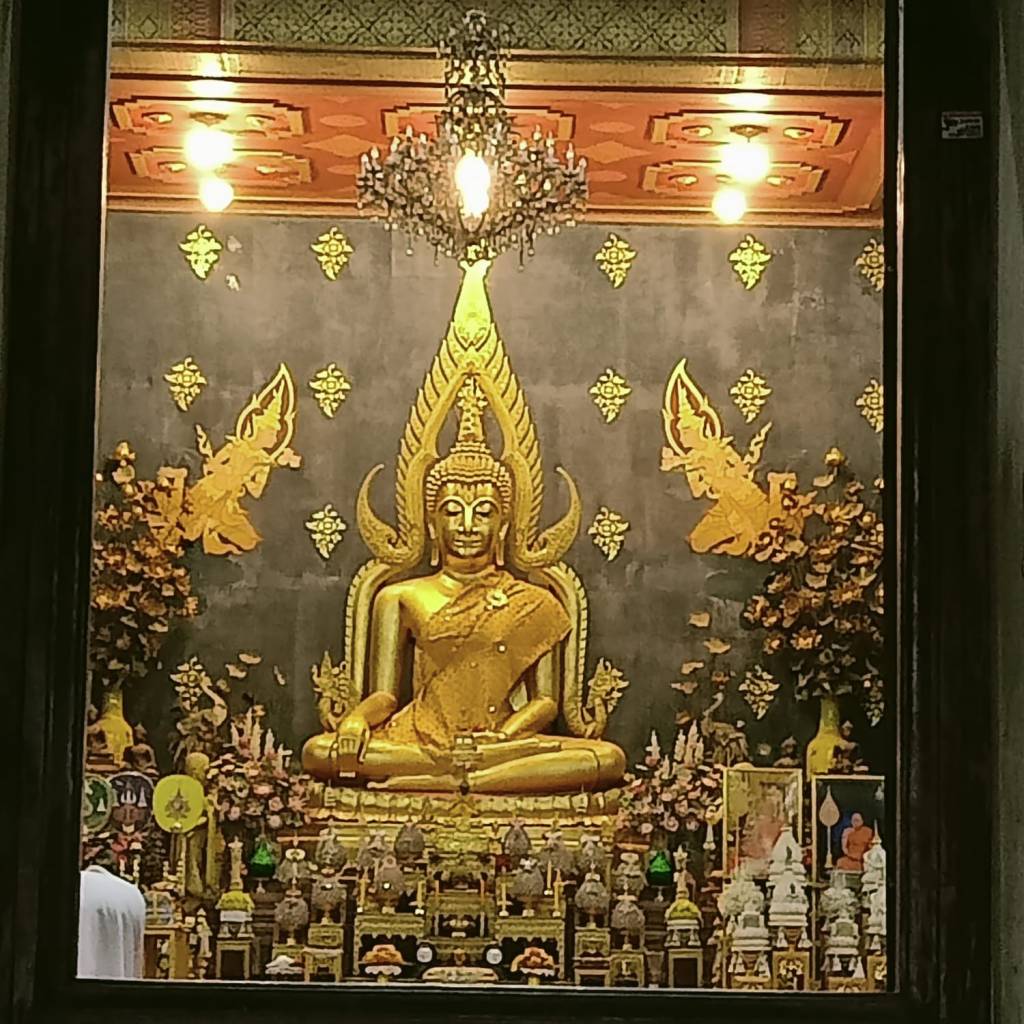
Bodhgaya is like a headquarters of the Buddhist religion. A number of countries have established their own Buddha temple and thus there are around 20 such temples. We visited temples of Cambodia, Thailand, China and Japan. There are huge monasteries with monks in training. All of them were clean, beautifully maintained and very artistic. The. Murals on the walls, the Buddha statues were different and were in accordance with that particular stream of buddhism. There was also an eighty feet Buddha statue constructed by our government in a big park.
MAHABODHI TEMPLE
The central Jewel of Bodh Gaya.
The temple campus is huge and is under strict security. Cell phones and cameras were not allowed. So do not have pictures. The Mahabodhi temple complex houses the sacred bodhi tree, a beautiful temple built in the typical nagara style, gardens, open air theatres, meditation areas. We also witnessed a tibetian dance with chanting and throat singing.
There are a number of hotels and ITC has built a grand one right in the middle of Bodhgaya.
BARABAR CAVES
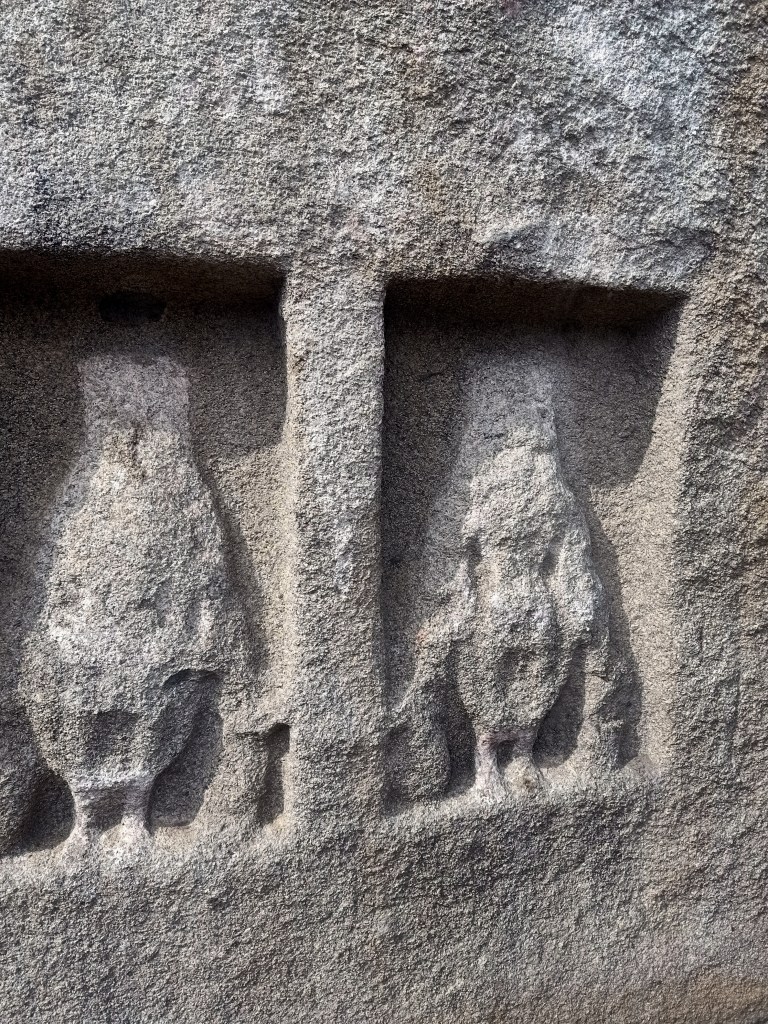
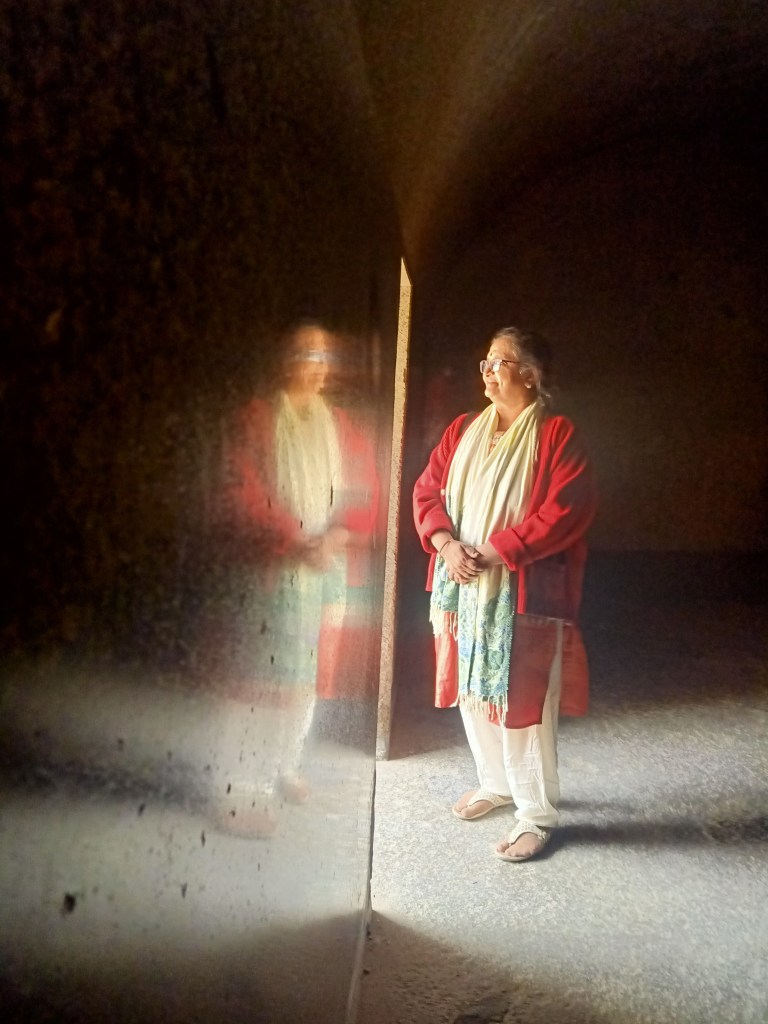
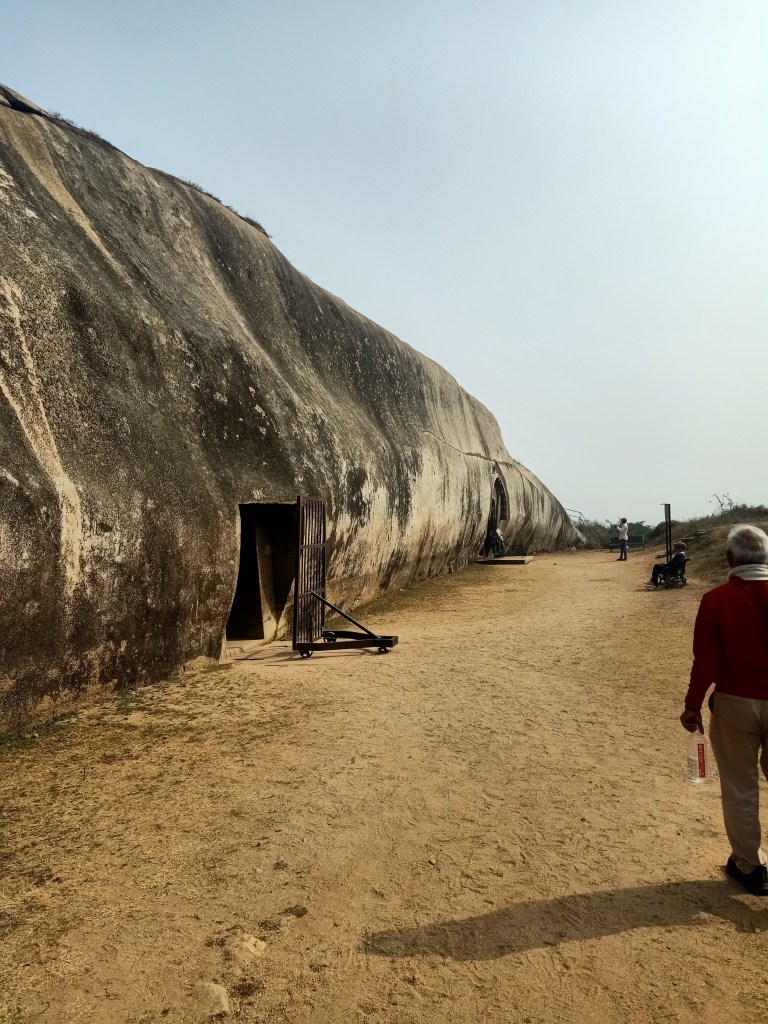
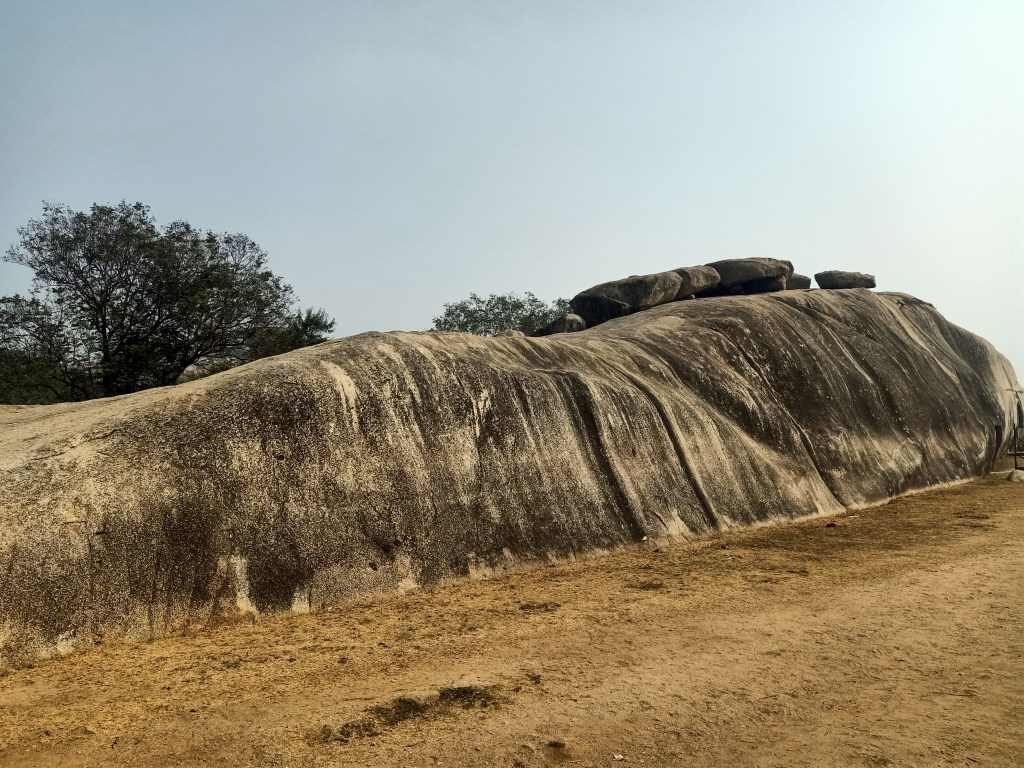
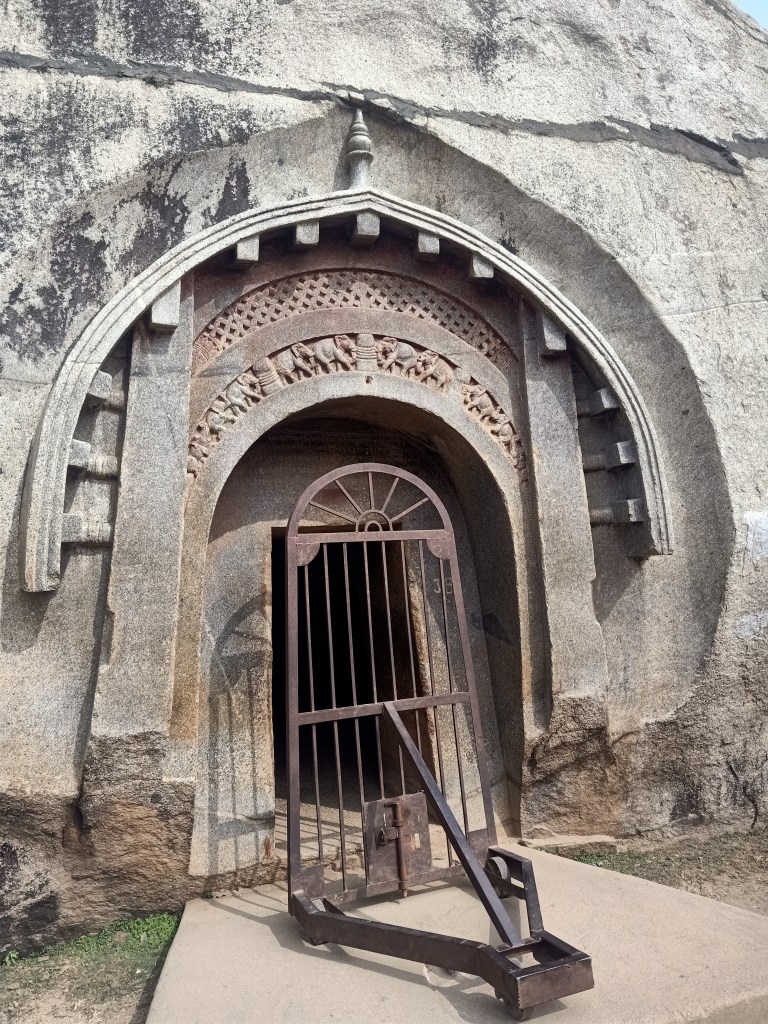
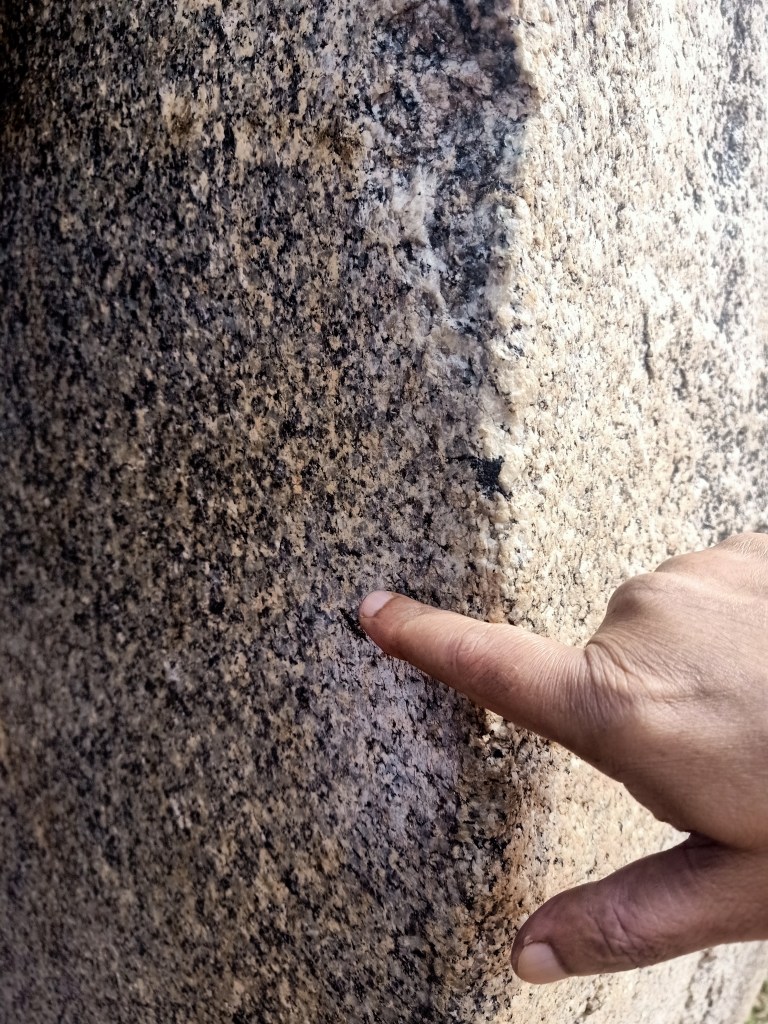
A hidden gem which houses one of the most exquisite site that showcases the brilliance of the architects who lived about 2300 ago. 40 km on the Bodhgaya to Patna Highway we took a right turn and drove through few villages to Barabar, Sultanpur, Bihar. These caves have been given GI tags from both ASI and GSI. The caves are located in a range which happens to be the second oldest rock formation in the world. The rocks are rich in iron pyrites. At the entrance we were greeted by a Guide (Bihar State) who indicated that the charge was 500. After climbing about 100 steps we reached the first set of caves in a rock shaped like a crocodile. The entrance to the cave is about 6 feet by 3 feet. The outer surface is rough but the inner was smooth and reflective. The touch and feel indicated that a reasonably smoothened inner wall may carry an organic coating from plant as polishing to obtain a smooth surface finish is likely to have taken a large number of skills men (that the cave size would not accommodate) or months if not years to carry out the same. The caves are cut inside out and in a form of a long hall without any windows. The first cave had a single chamber with a stone bed at one end. We went around and entered the second cave. This had an additional inner chamber made in perfect circle in which the echo was pronounced (seven times). There is an inscription saying these caves were donated to the Ajivikas sect of Jains by Ashoka on his 19th year of coronation. It was quite an experience reciting and listening to our echo. The third cave appears to have cracked while it was being excavated. The entrance to this cave had letters in Brahmi to the effect that it was carved in the 19th year of Ashoka’s rule. It is important to take the service of the guide to appreciate these caves. There were more and these were located at greater heights. We decided to close our shop at this point of time. I was happy that we could visit a monument that was 2300 years old with incredible rock-cut art/architecture (such a smooth finish and lovely echo to cherish).

6
RAJGIR
This was the capital of the mighty Magadhas. Rajgir is about 60 km from Gaya. It was the erstwhile capital of Jarasandha of Mahabharata fame and later Bimbisara and Ajathasatru (Haryanka Dynasty) during the times of Gautama Buddha. Rajgir is surrounded by many hills and at the centre of the city is the Brahmakund a hot water spring.
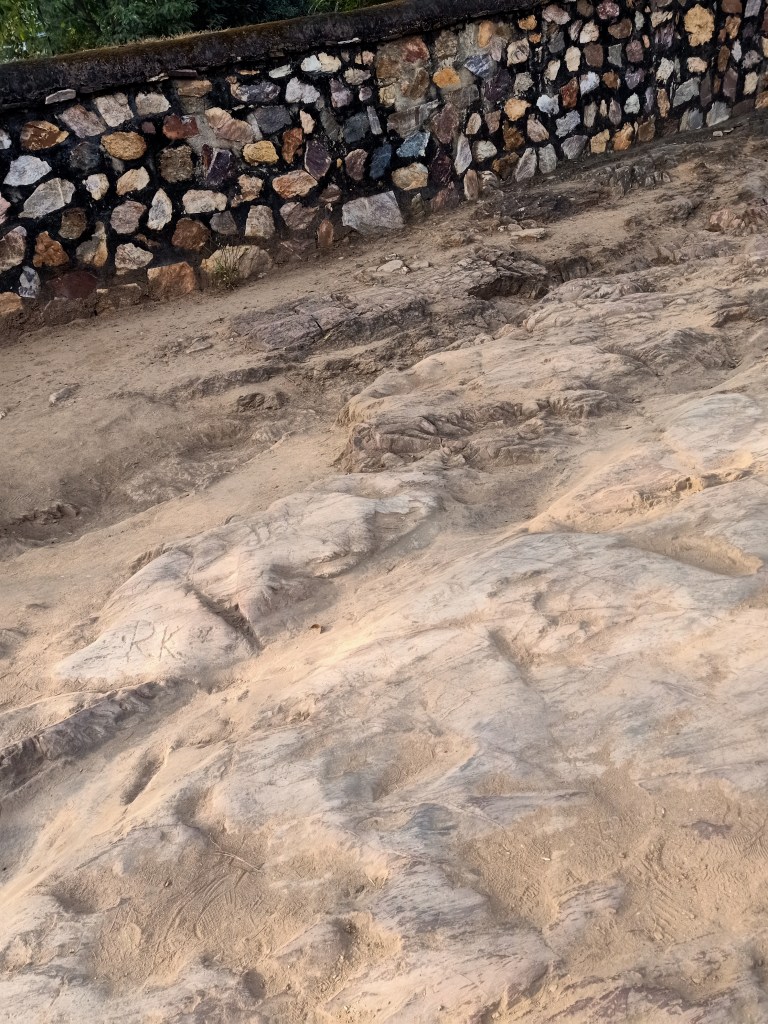
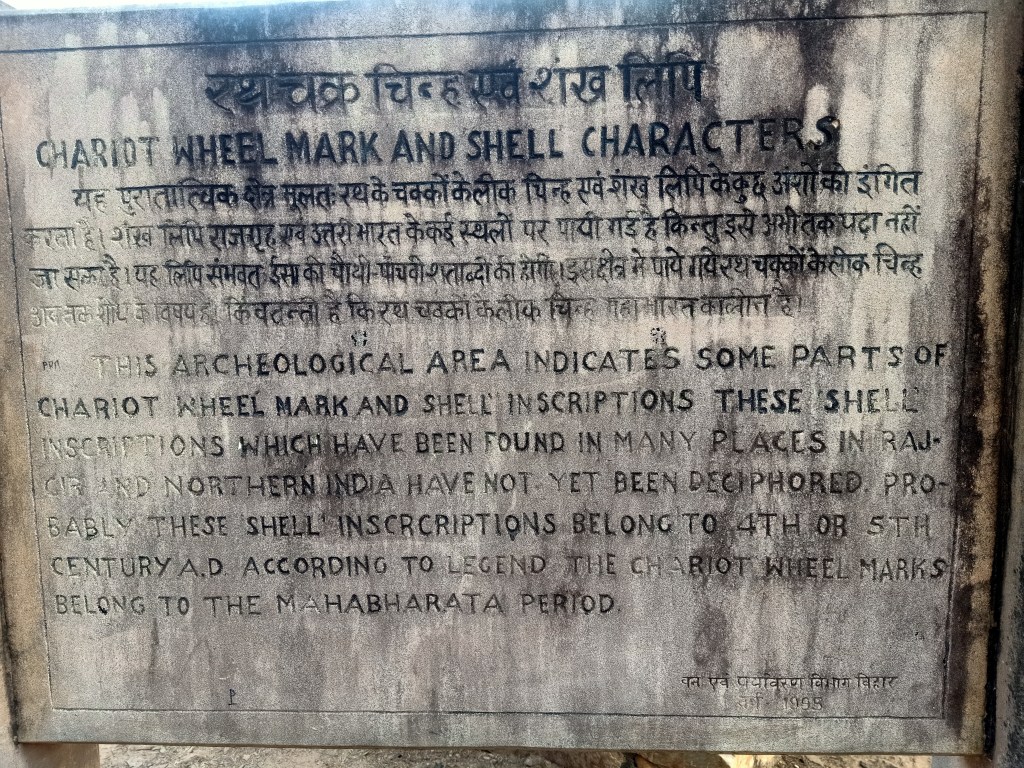
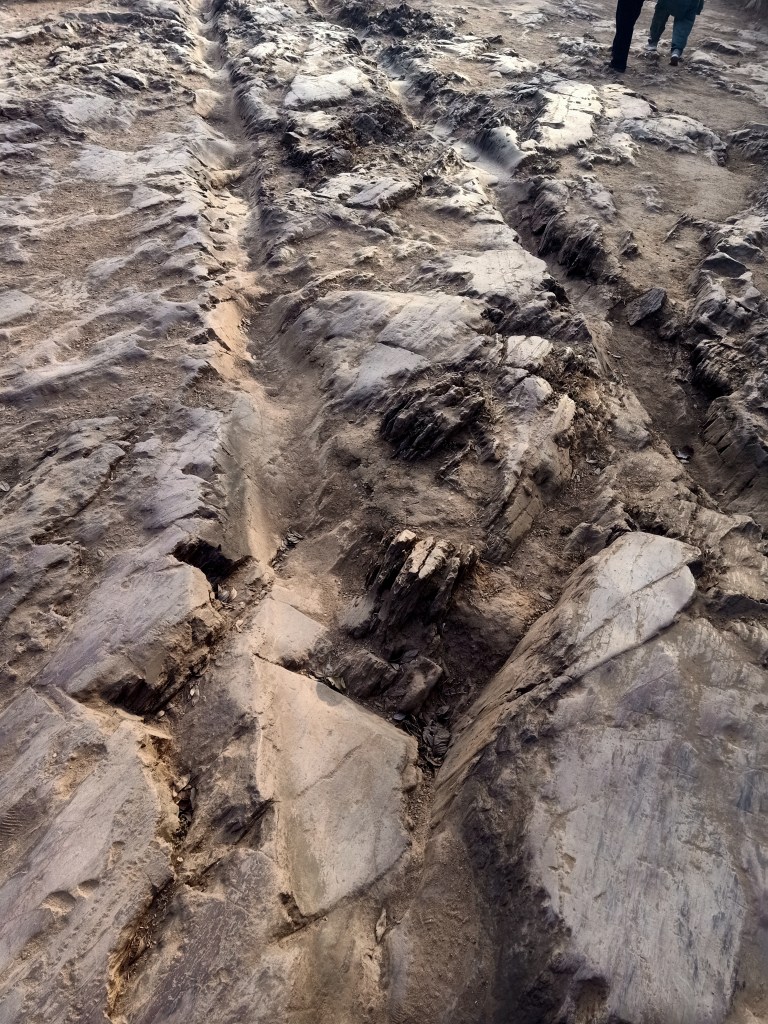
The local amba temple is JARA Devi who was supposed to be the protector of Jaradsandha. There is a chariot path which seems to have fossilised? It is said to be from the Mahabharata times.
The city has many ruins of the Bimbisara times.
CYCLOPEAN WALL
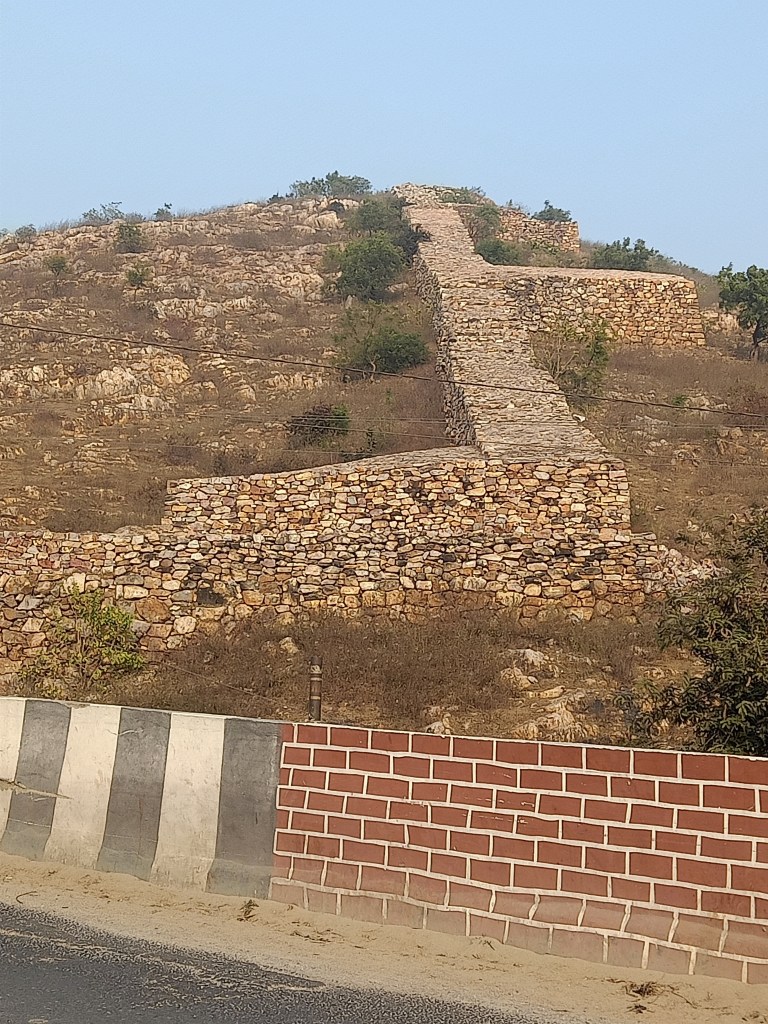
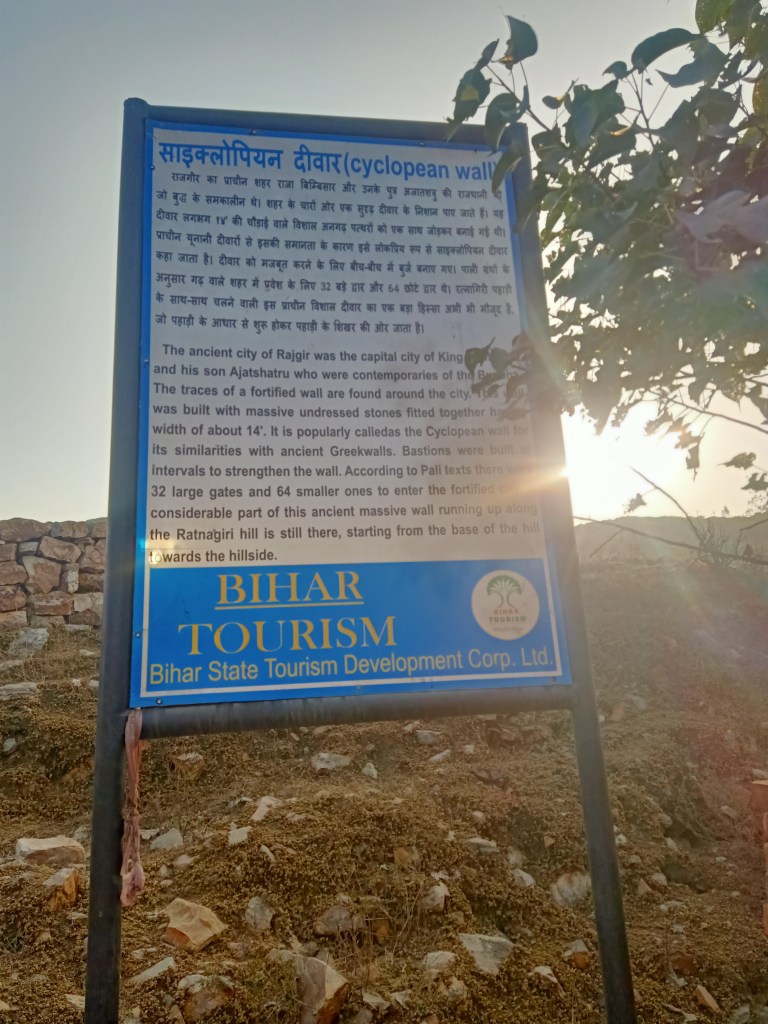
A 40 km long wall of stone encircles the city. Some say it is prior to Haryanka dynasty but most of the construction is by the Haryanka Dynasty.


BIMBISARA JAIL
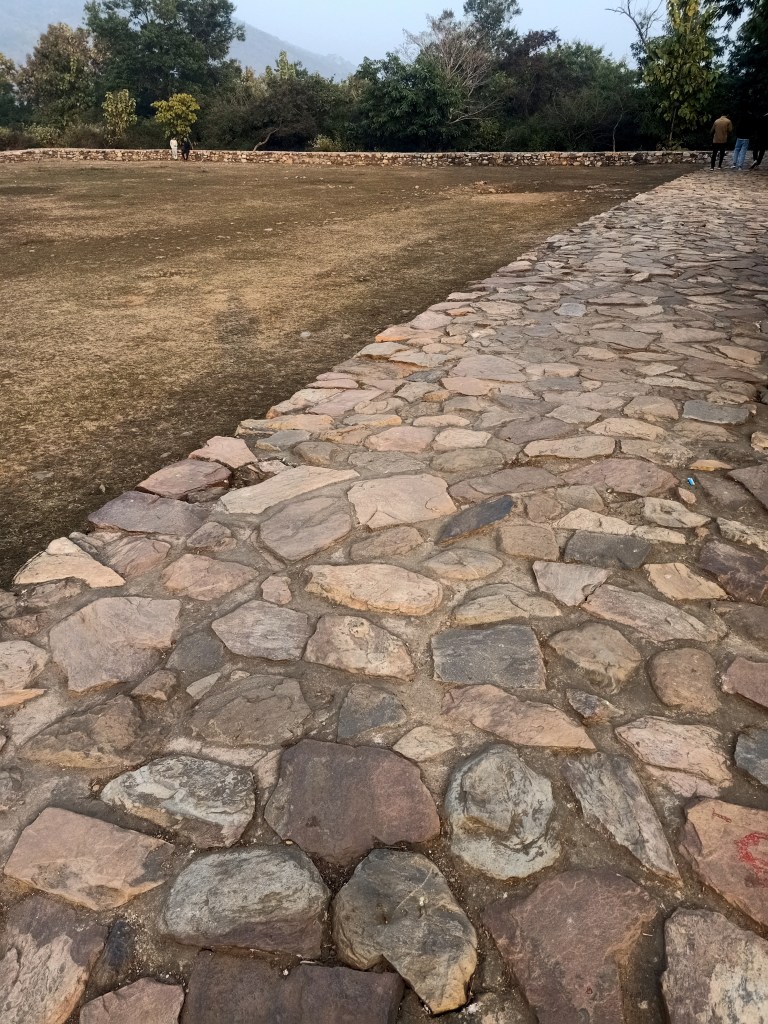
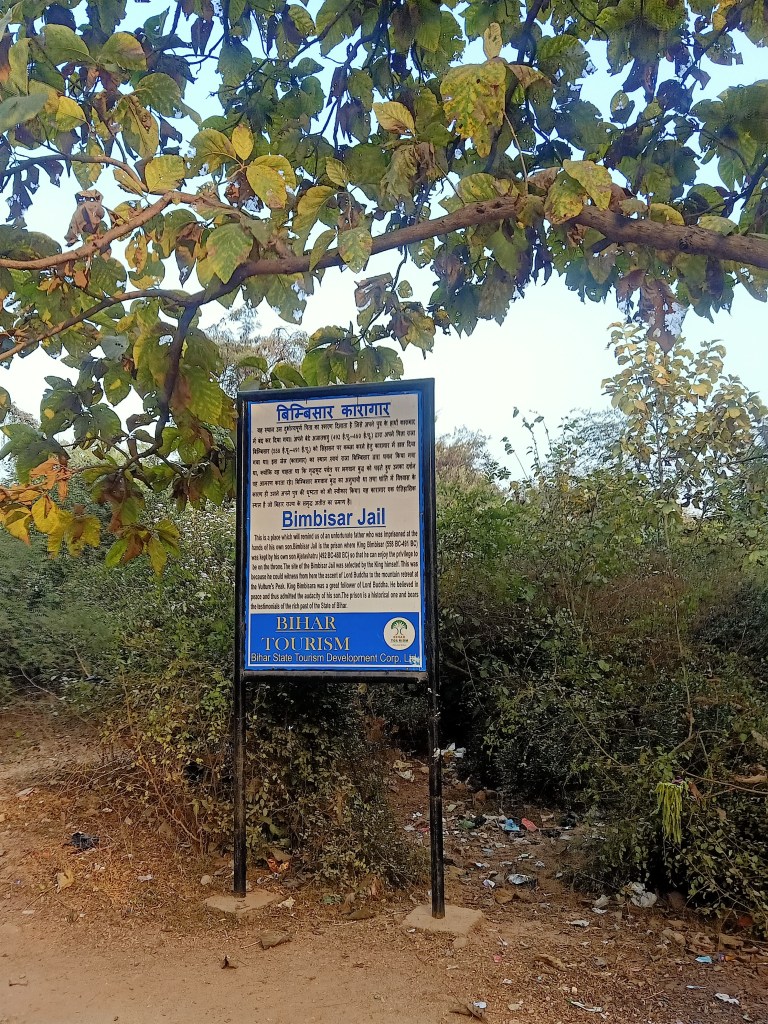
Only the basic ruins are present. Here Ajathasatru imprisoned his father to stop him from associating with Buddha. Bimbisara is said to have chosen the site for the jail as he could look at the peak of GRIDHAKUTA or vultures peak. Buddha was said to meditate in this peak. An old man was sitting in front of the structure and recanted the story of Bimbisara, Ajathasatruand how Ajathasatru repented imprisoning his father.
SWARNA BHANDAR
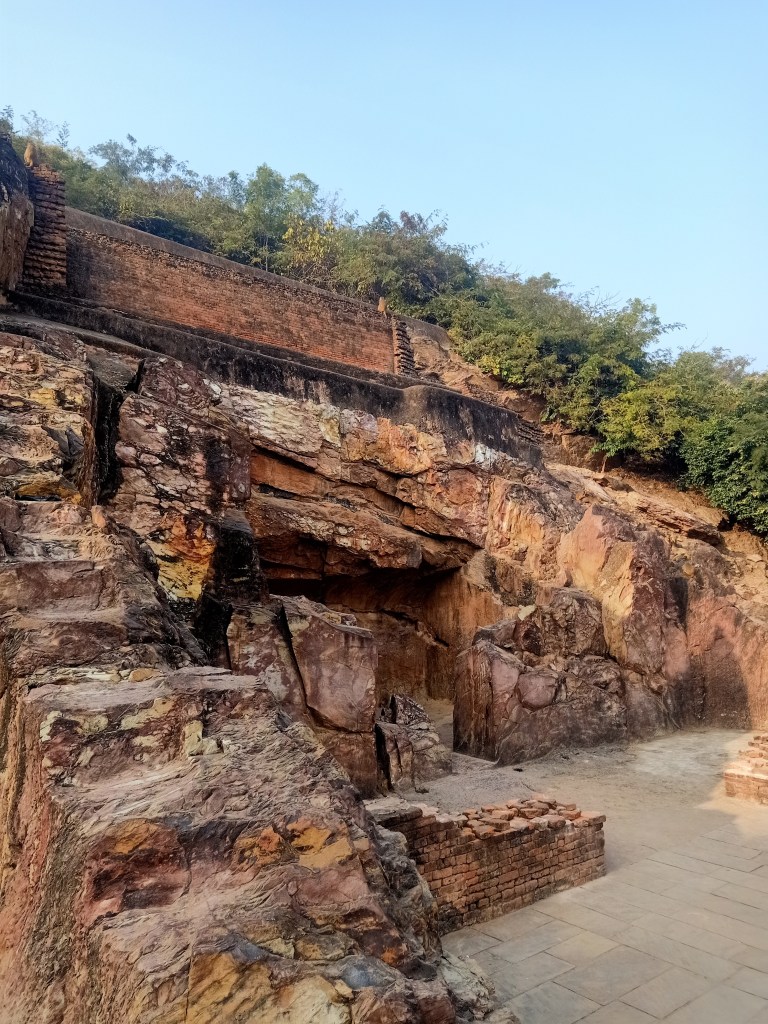
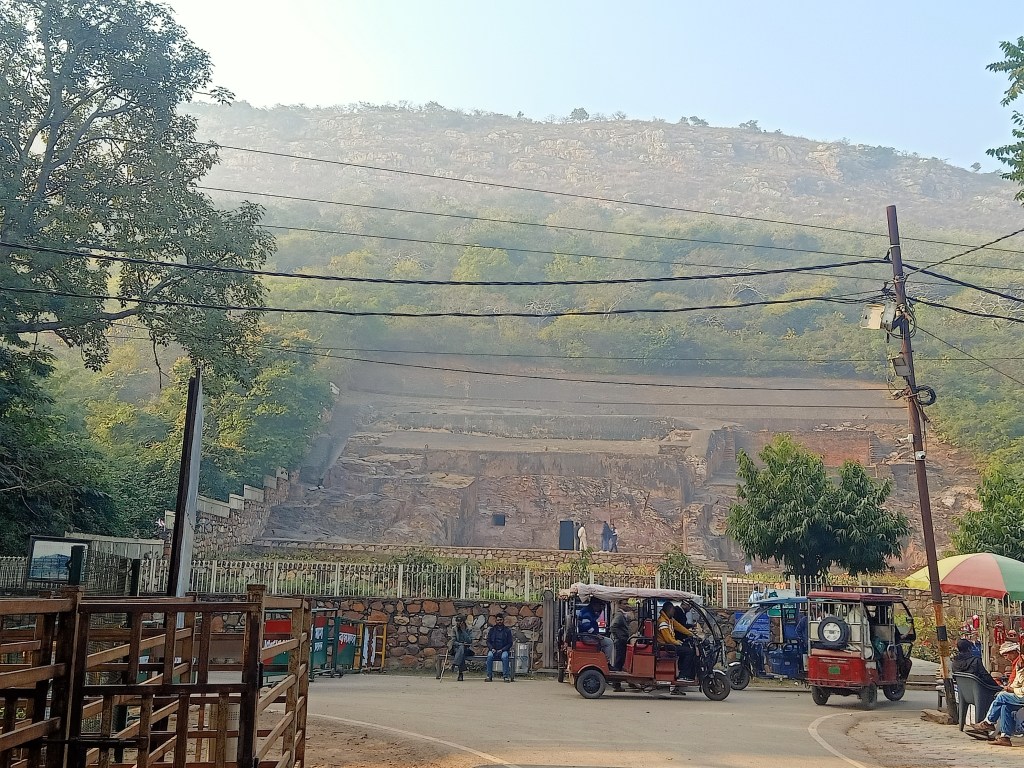
Another rock cut gem prior to the Barabar caves. This cave has an additional window and is single-chambered. Its inner walls are not polished unless the one in Barabar. If one sings then four distinct echoes can be heard (while the polished and geometrically symmetric inner cave with no windows in Barabar gives seven distinct echoes). It was built by Bimbisara and is supposed to have functioned as his Granary.

VISHWA SHANTI STUPA
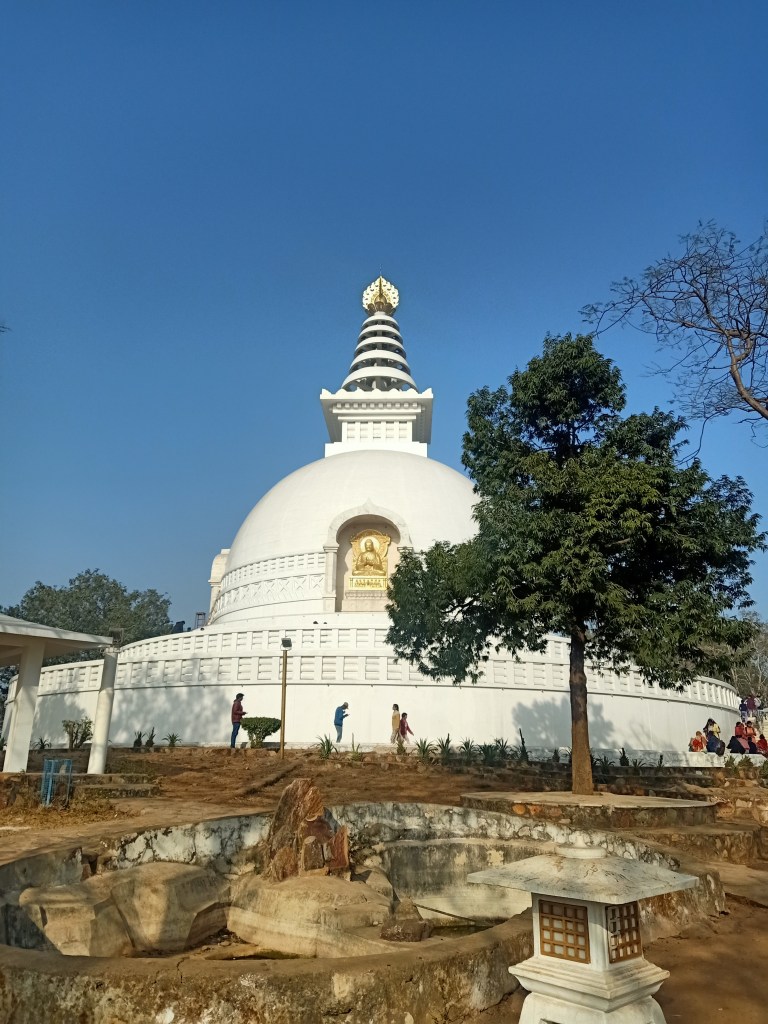
A Stupa has been constructed in white marble by Japanese buddhist sect atop the Ratnagiri hill. There is a ropeway to take you up there. The view of the surrounding hills is breathtaking
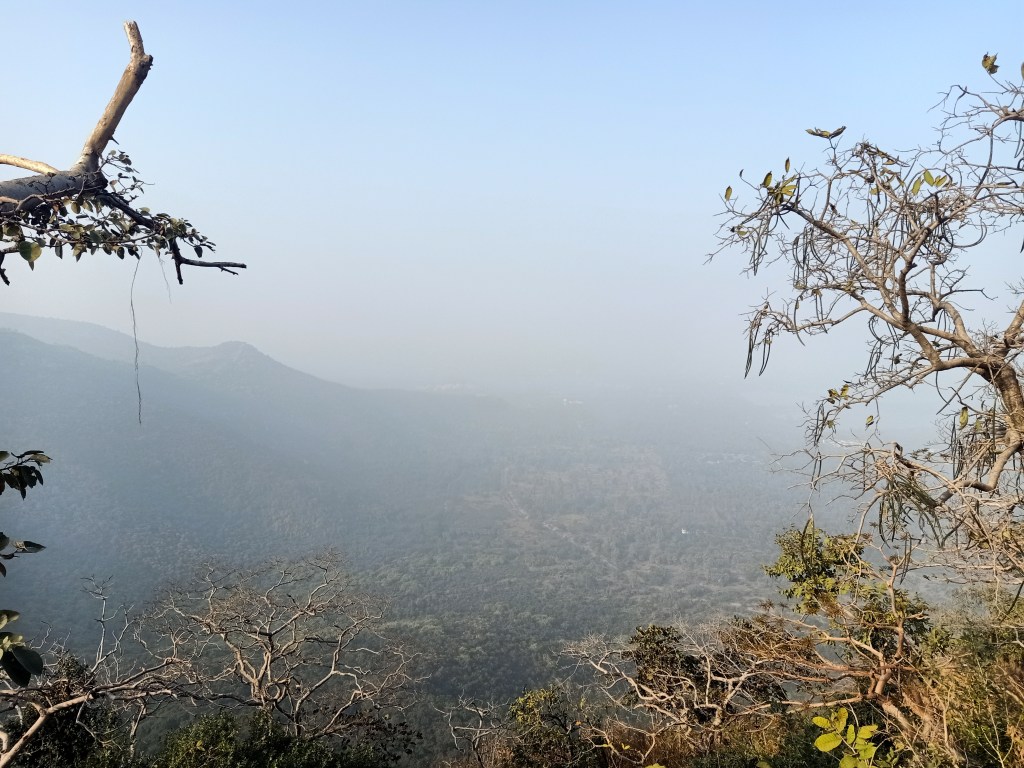
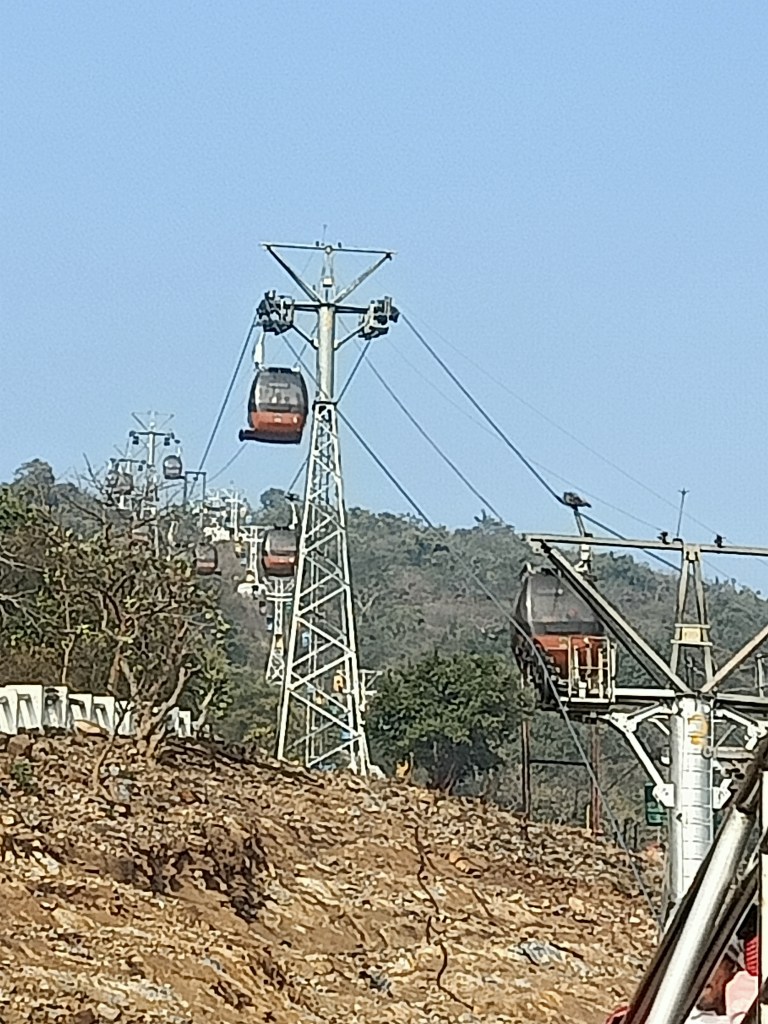
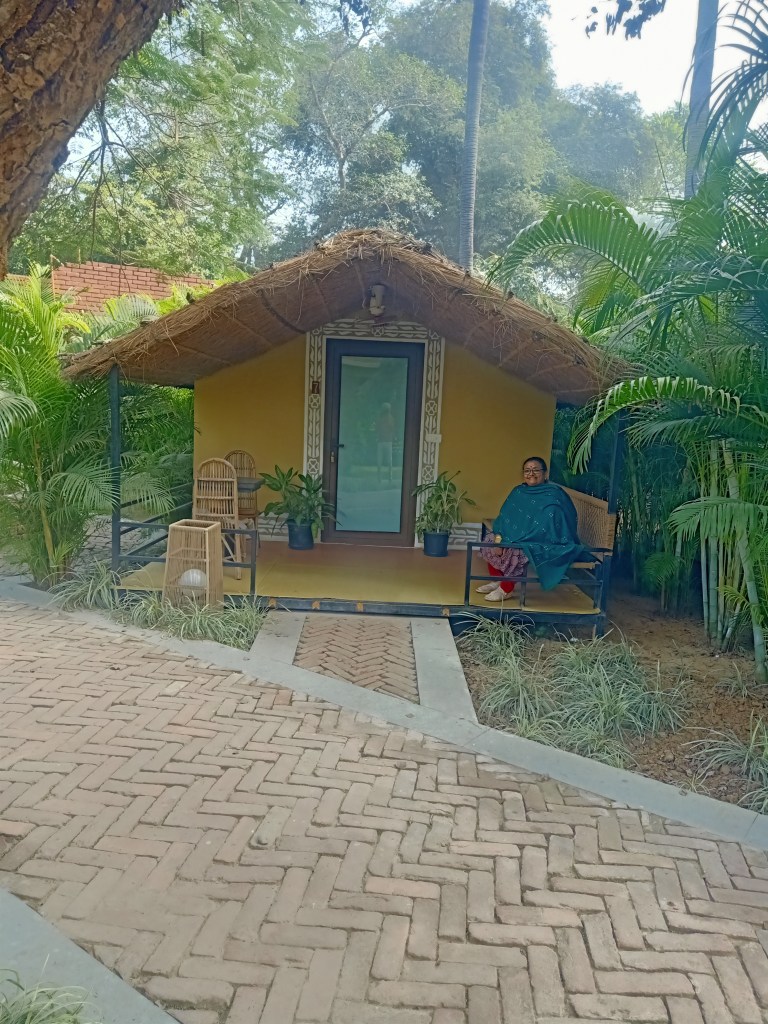
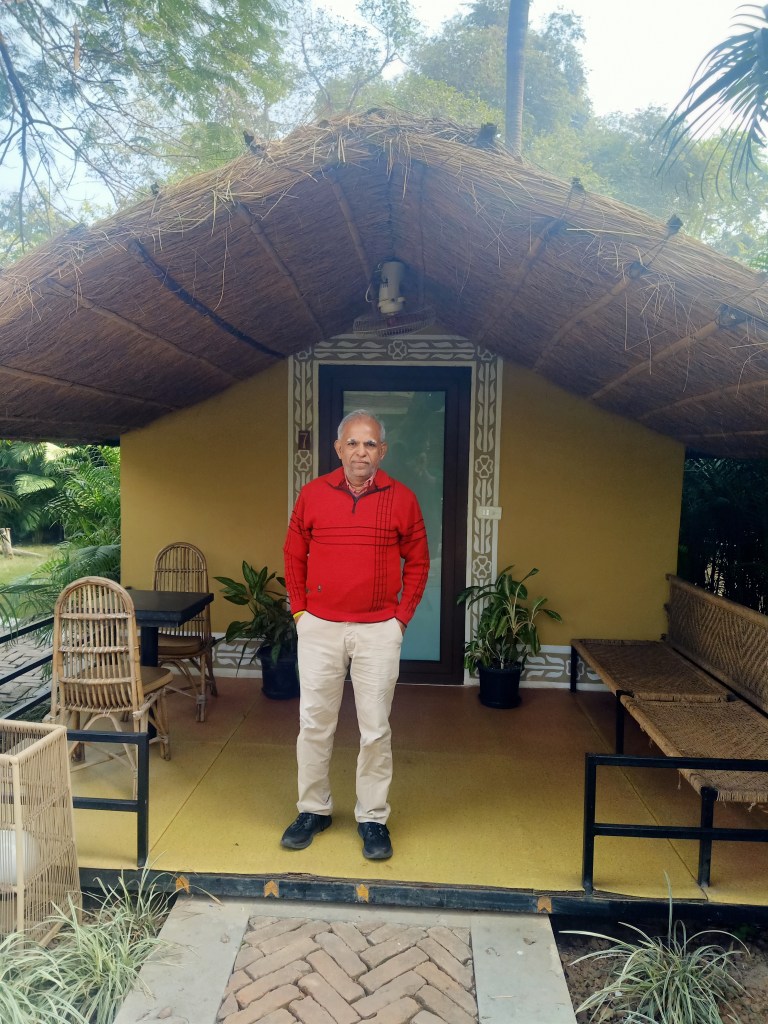
Ajathsatru Stupa, VenuVan, Ajathsatru Fort are some more sites to take in. We stayed at a resort known as Panda Pokor right in the middle of the Rajgir hills area with rooms like individual huts.
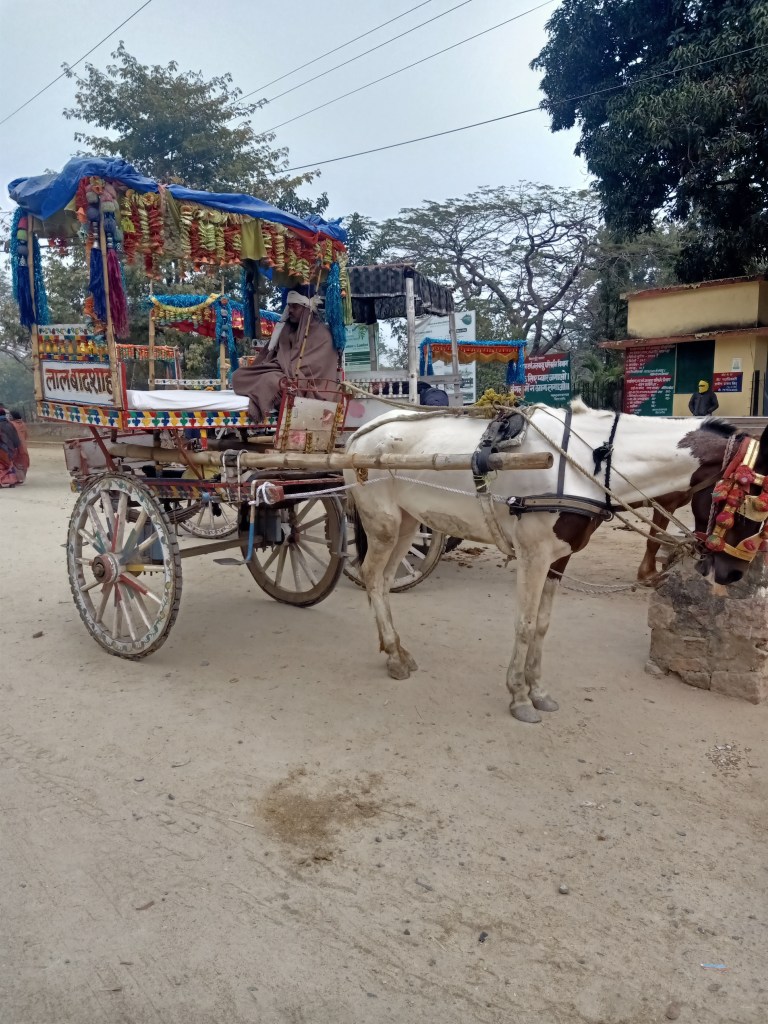
PAVAPURI
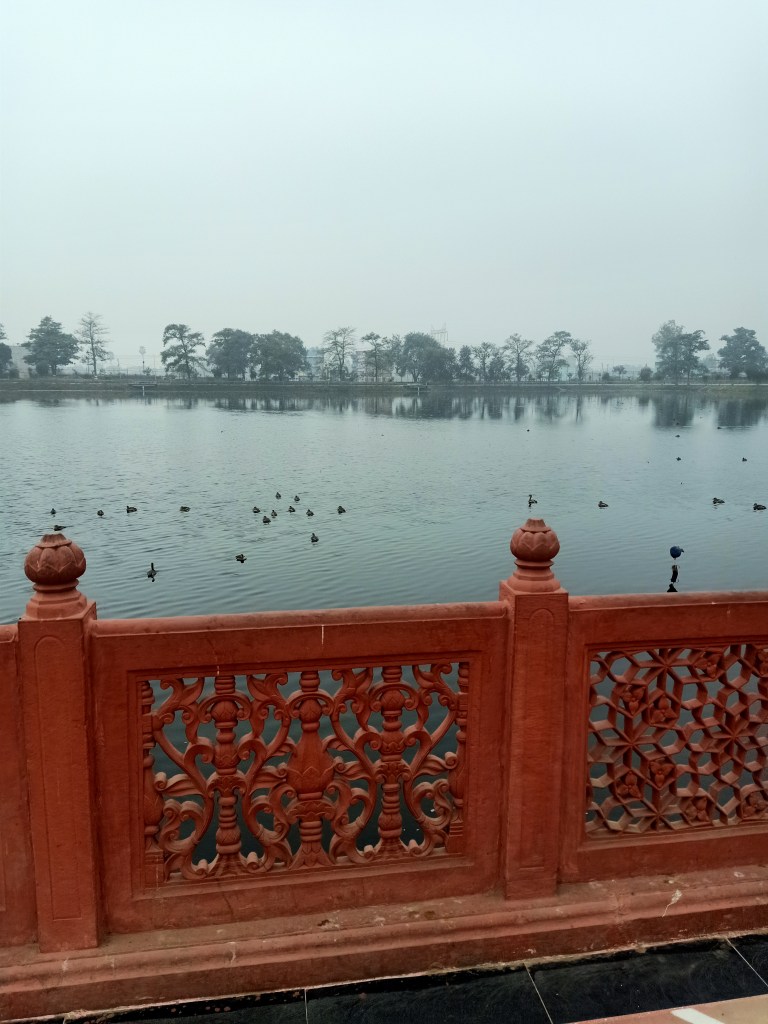
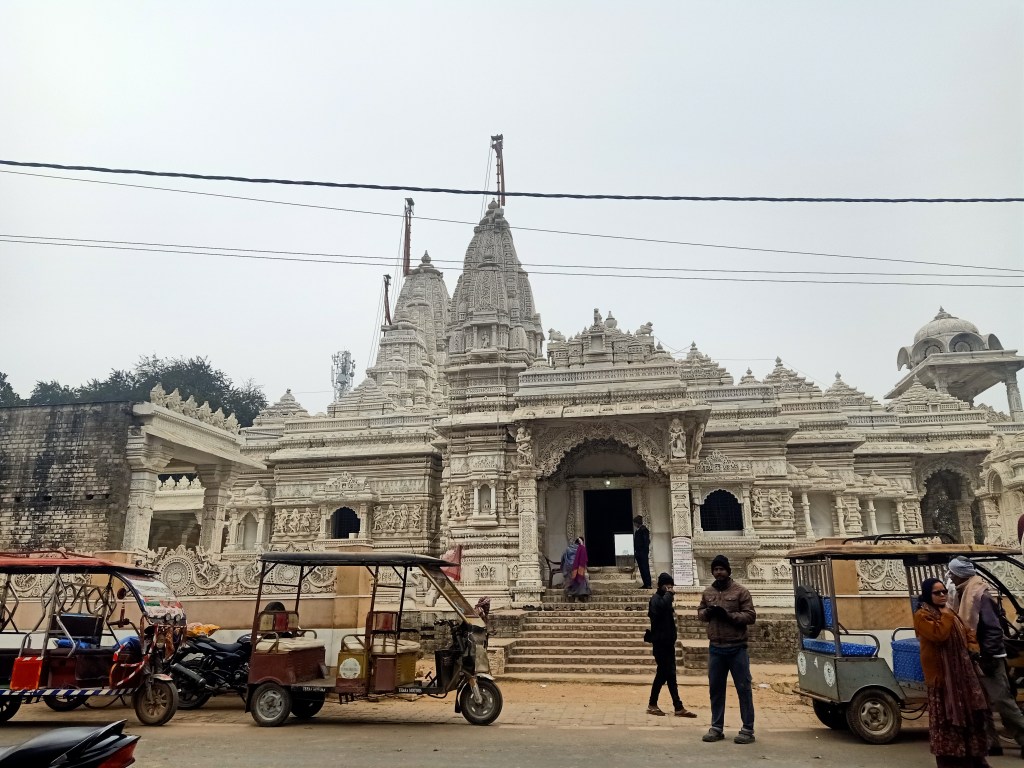
Close to Rajgir (about 40 km) is the site of Pavapuri the holy place of Jains. It is believed to be the final resting place of MAHAVEERA. A beautiful Jal Mandir in white marble has been constructed in the middle of a huge tank. It is well kept and was full of fresh water fishes and different variety of birds.

NALANDA RUINS
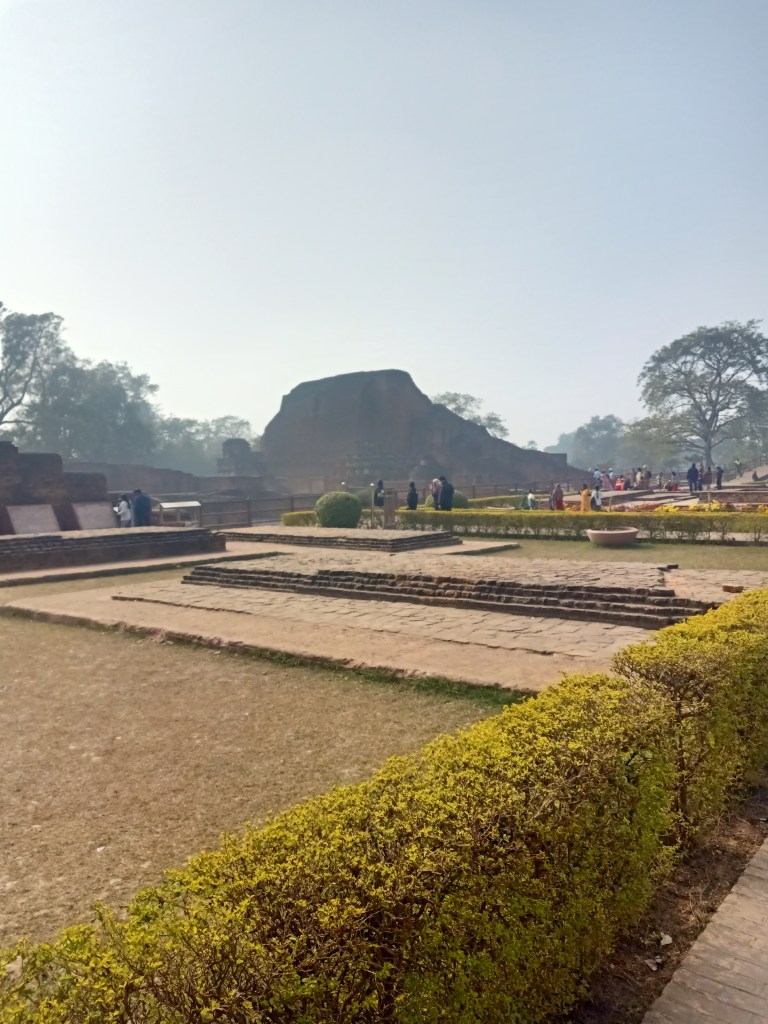
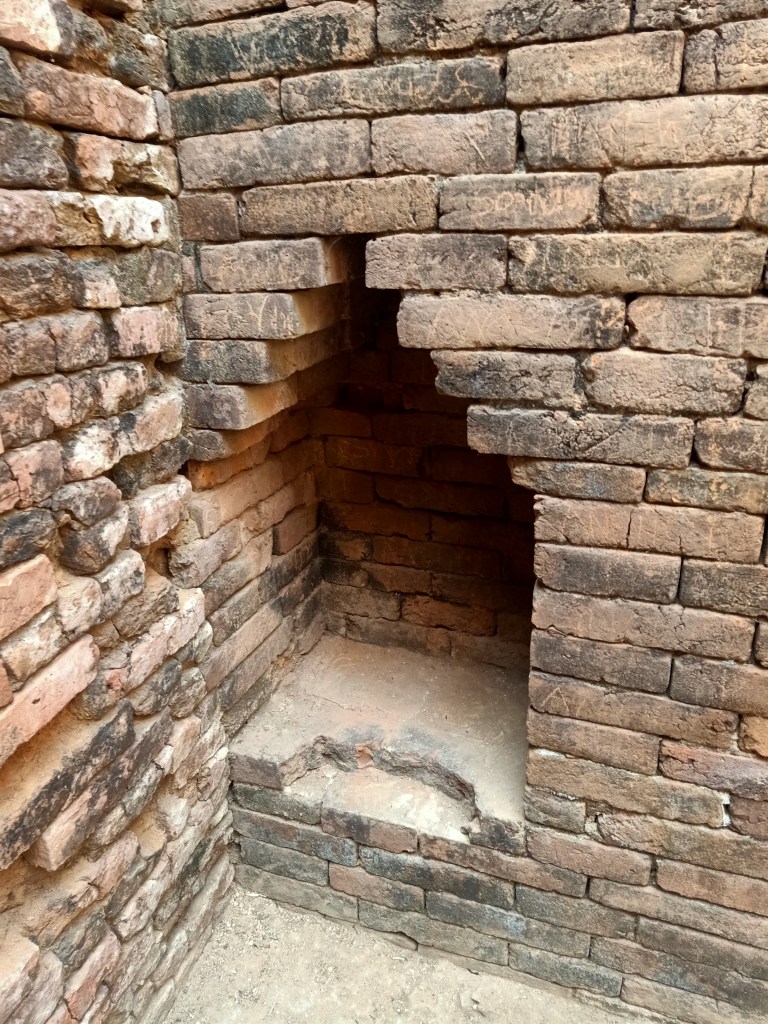
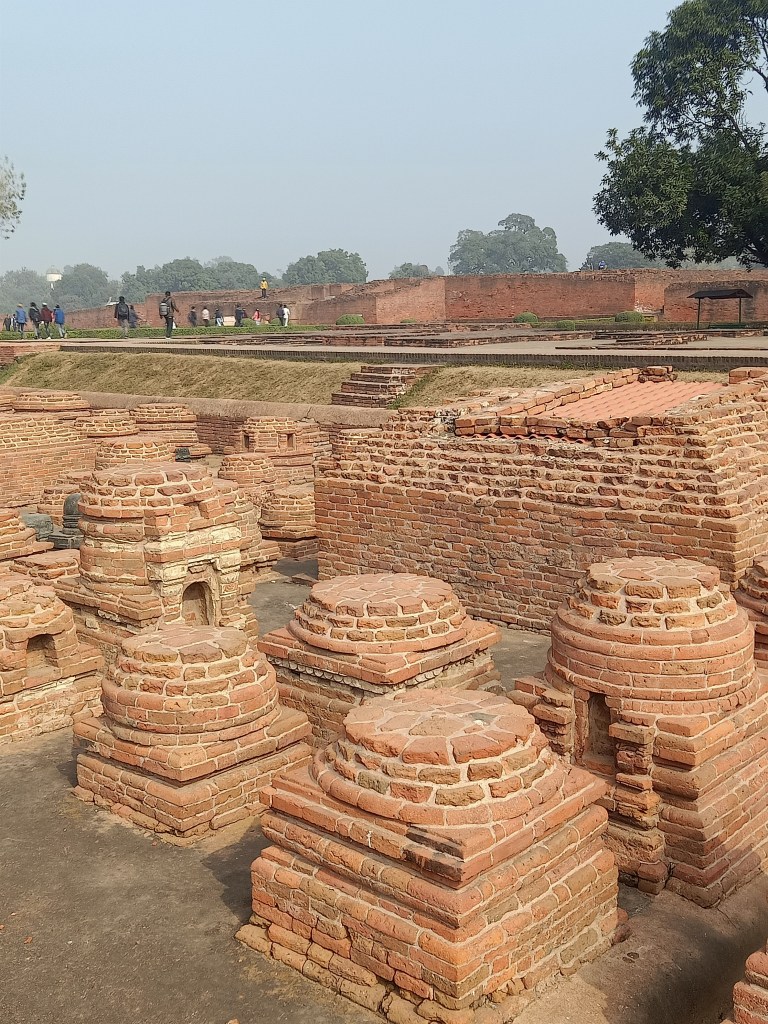
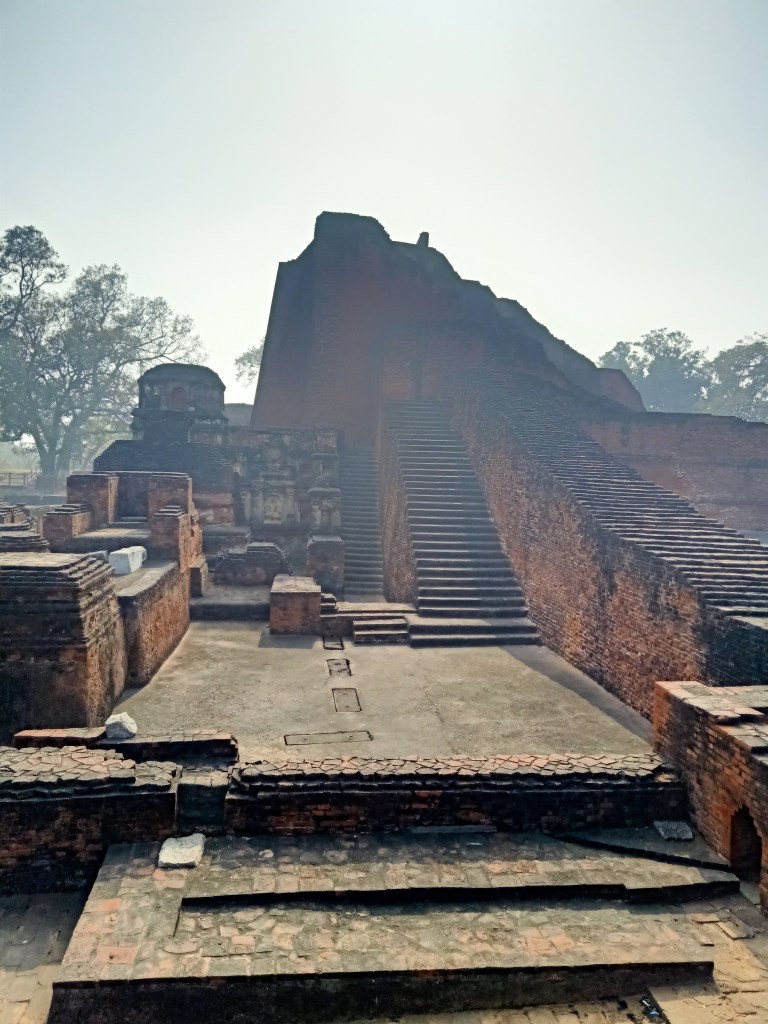
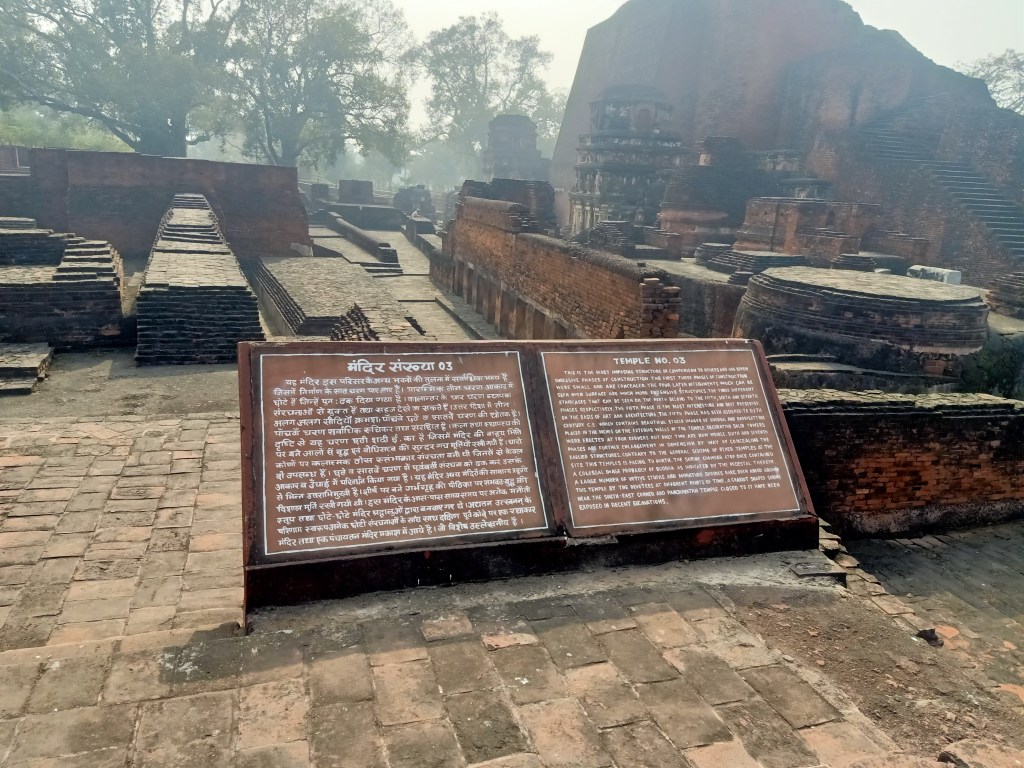
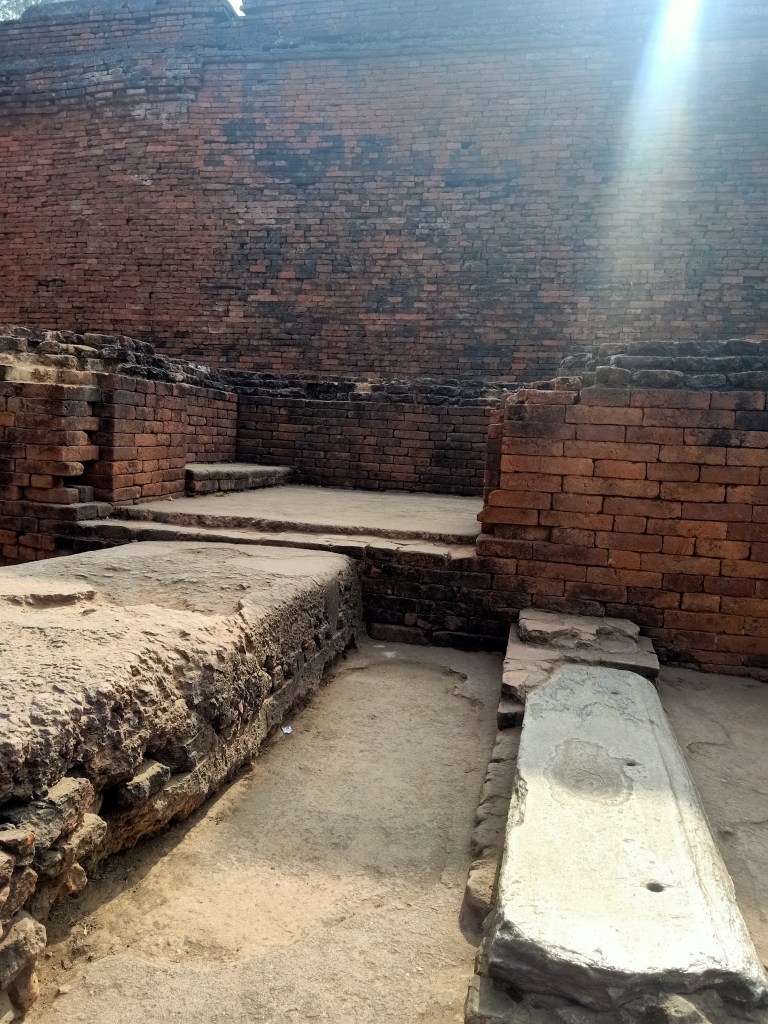
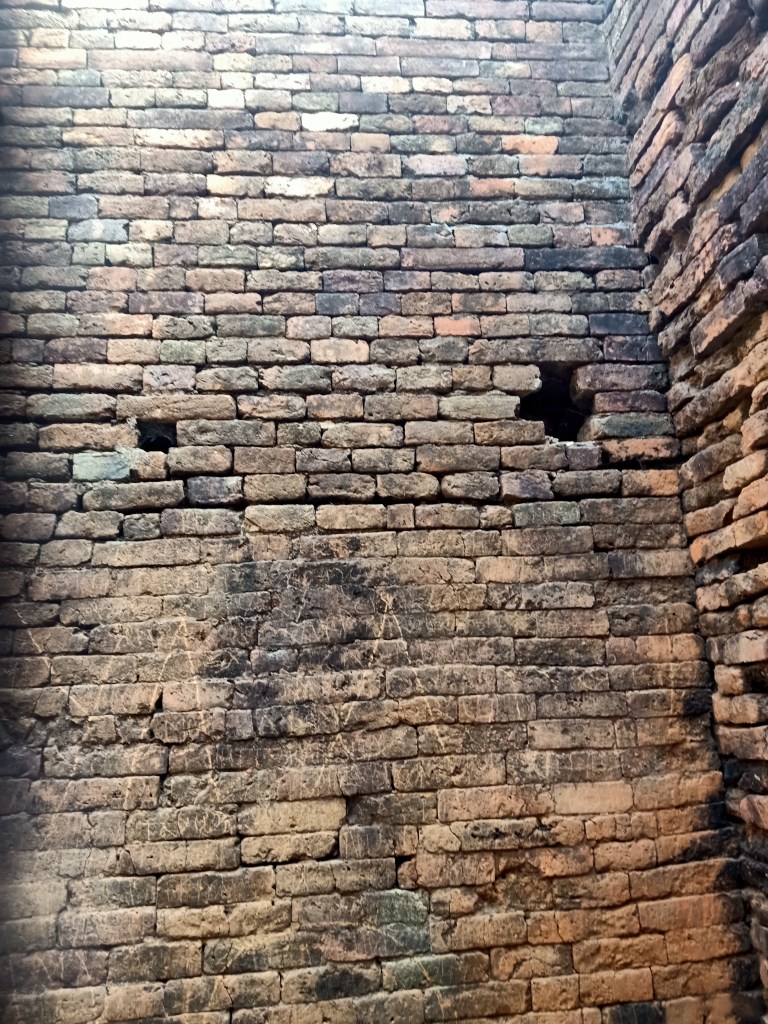
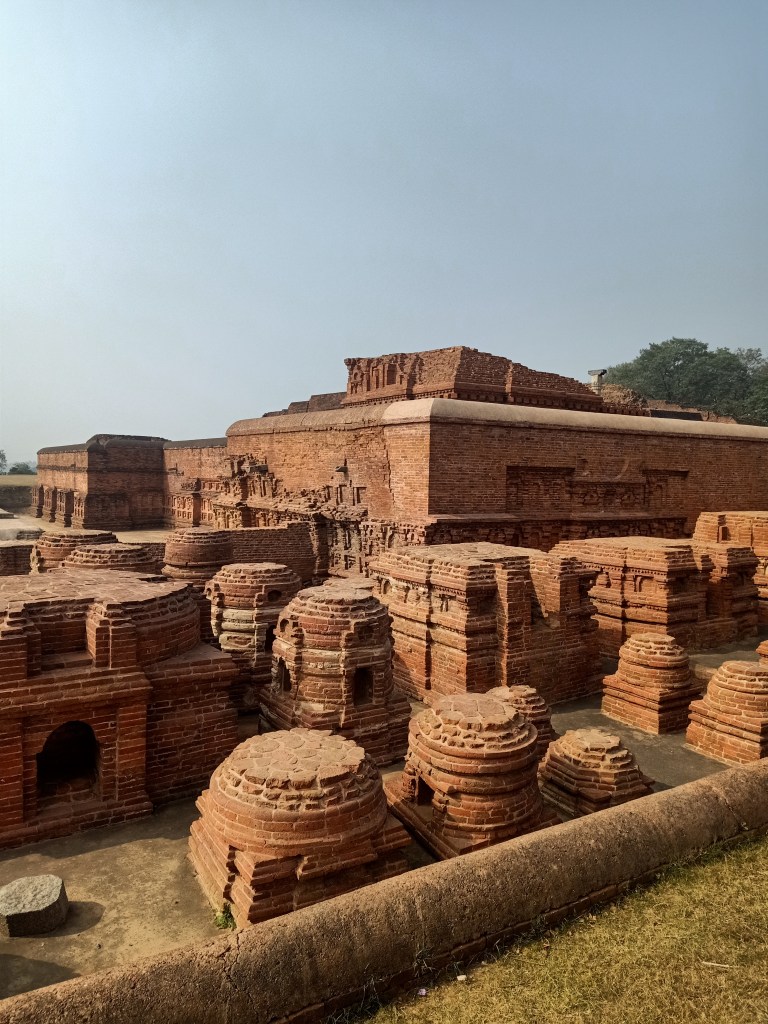
The final destination was the Majestic NALANDA ruins. Oh what a magnificent sight. One cannot imagine what kind of energy would have been around the university in its hay days. The start of the university was from the times of Buddha. One monk had 5 students under him and had a hut to live. This is how it started. Later by the time of Kumaragupta of Gupta dynasty (427 CE), who commissioned the construction of NALANDA UNIVERSITY, there were 2000 monks and 10000 students. It received grants from Sri Lanka, Thailand , Indonesia and so on. It was very difficult to enroll in the university and the guide told us that those interested in joining this University were interviewed by the gate keepers and percentage selection was 10%. . Later Harshavardhana and Dharmapala repaired, refortified it. Heiun Tsang visited during Harsha’s reign and left enormous amounts of information regarding Nalanda. Law, Medicine, Astronomy and Philosophy were the main subjects at Nalanda. Around 1200, Bhaktiyar Khilji destroyed and set on fire to the library housing 90000 scrolls. The ruins were then buried or got buried. Excavation began by 1915 and today ASI has excavated about 15 monasteries. Each monastery is well laid out with rooms for the students, a kitchen, granary, temple, well. A well laid out plumbing system could also be seen. The main picture we see of the Nalanda ruin is an open air theatre with small temples. There are many stupas which denote the place where a monk who taught there was buried. The most disheartening thing is to see the remnants of the great fire etched on the walls as carbon.
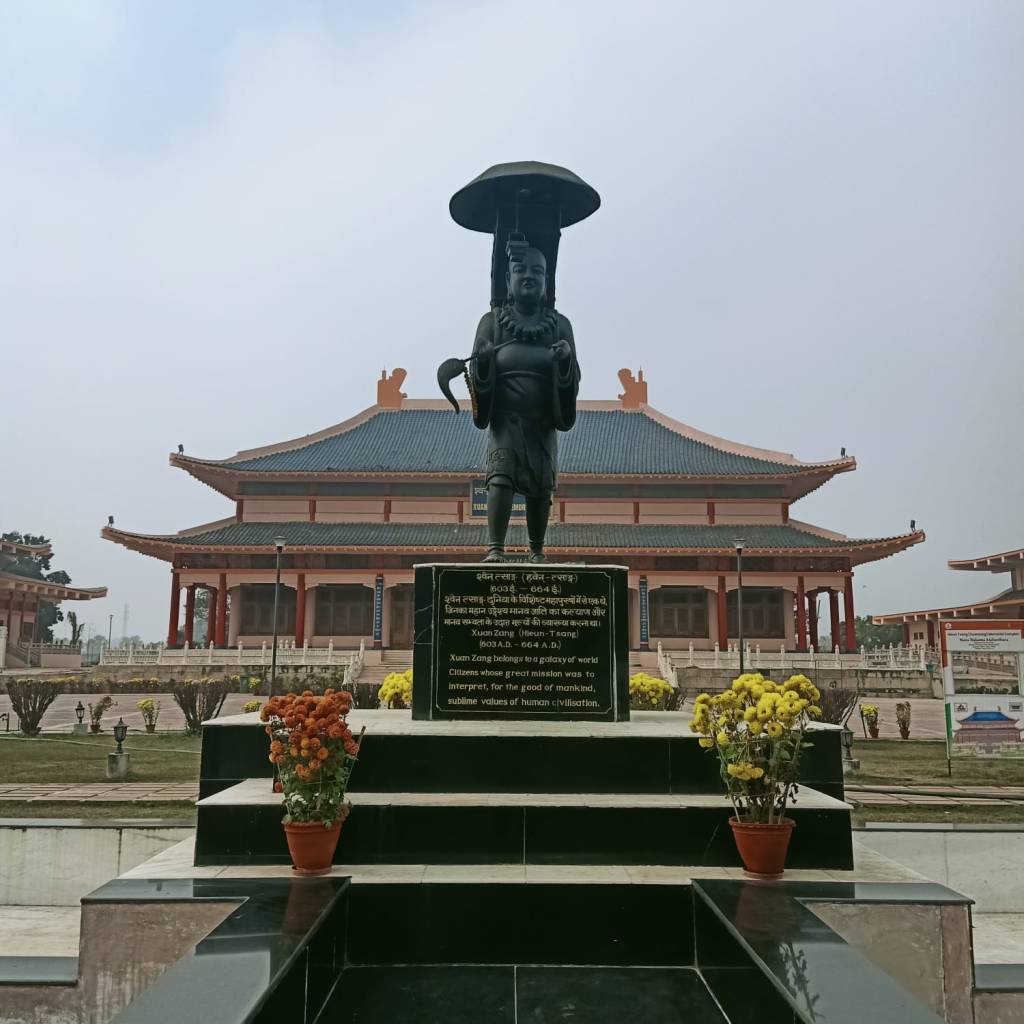
Hueng Tsang Memorial
Another place of interest is the museum remembering the work of Heiuan Tsang. It is hard to believe that he took such an arduous journey to visit India and record his visit, after returning to his place of birth.
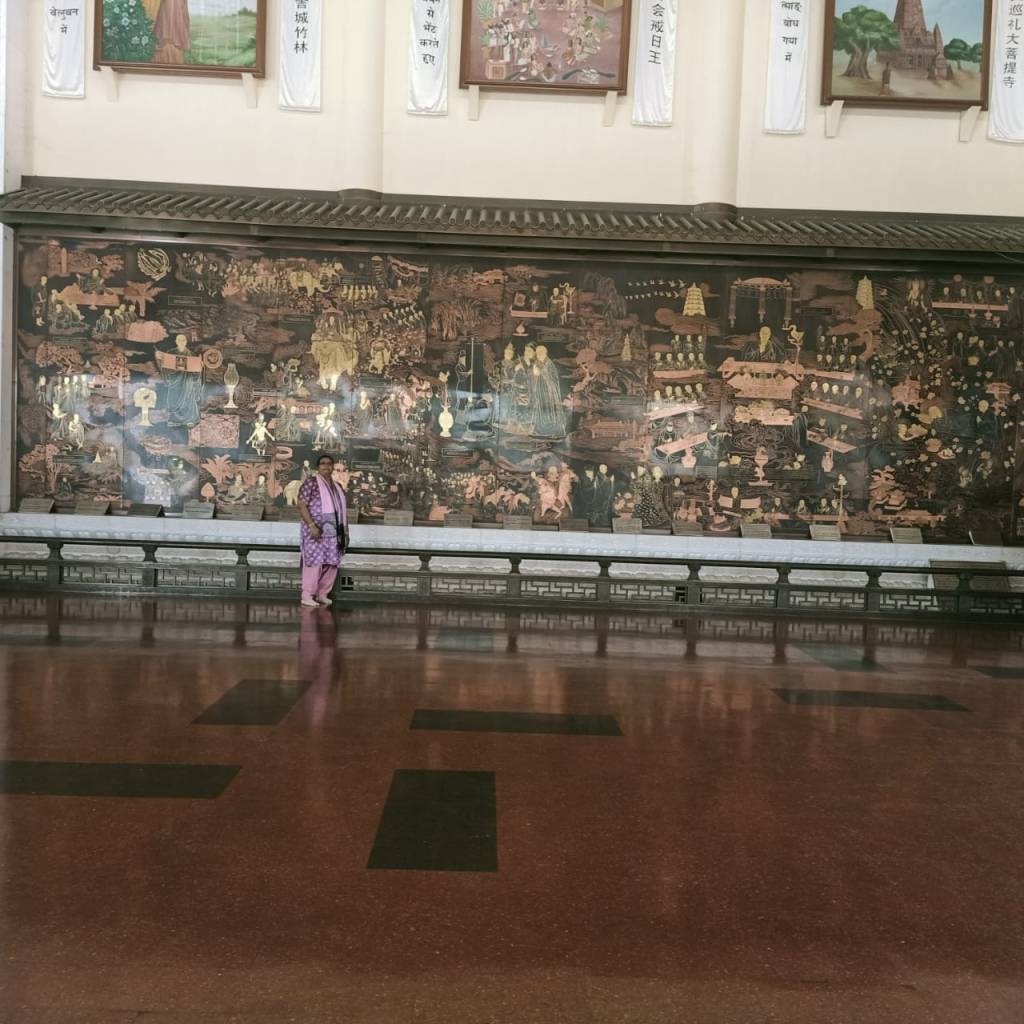
copper embossed work in wood depicting Huen Tsangs life
 Wandering at 60's
Leave a comment