Mannarkoil or Rajamannar Koil
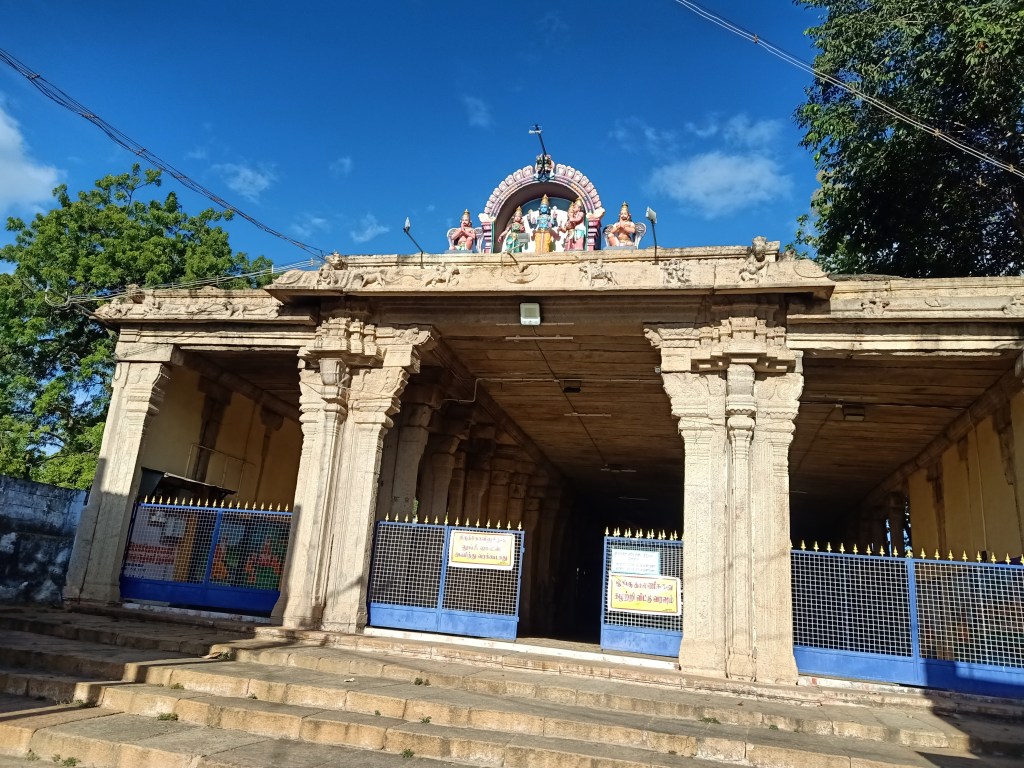
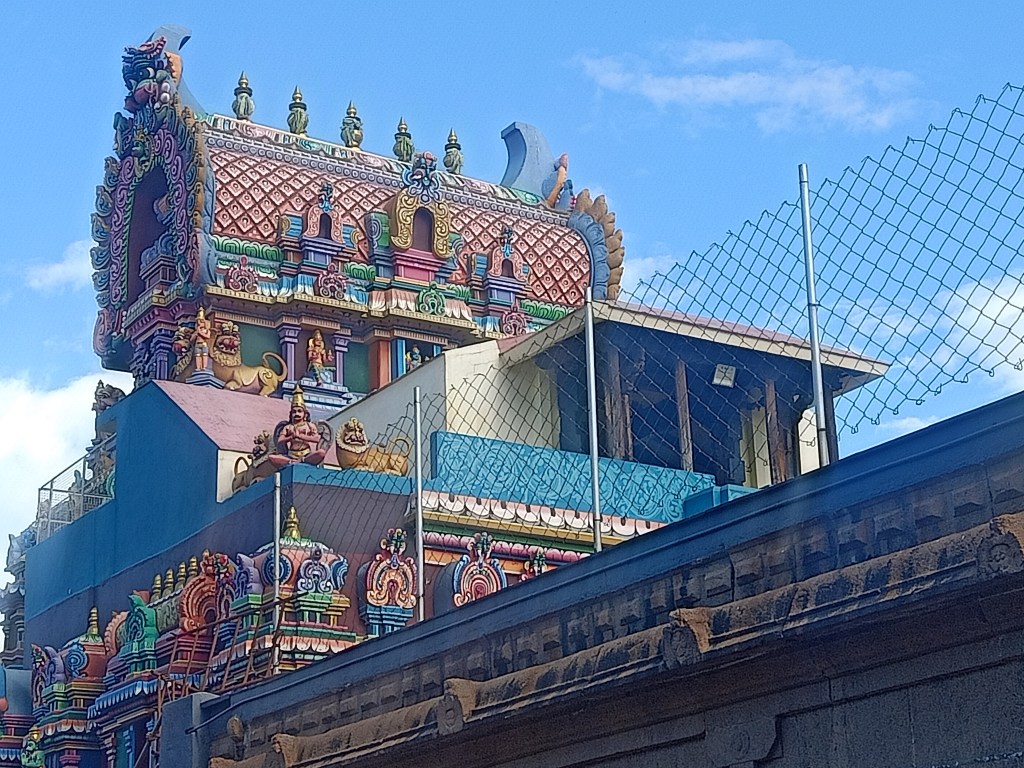
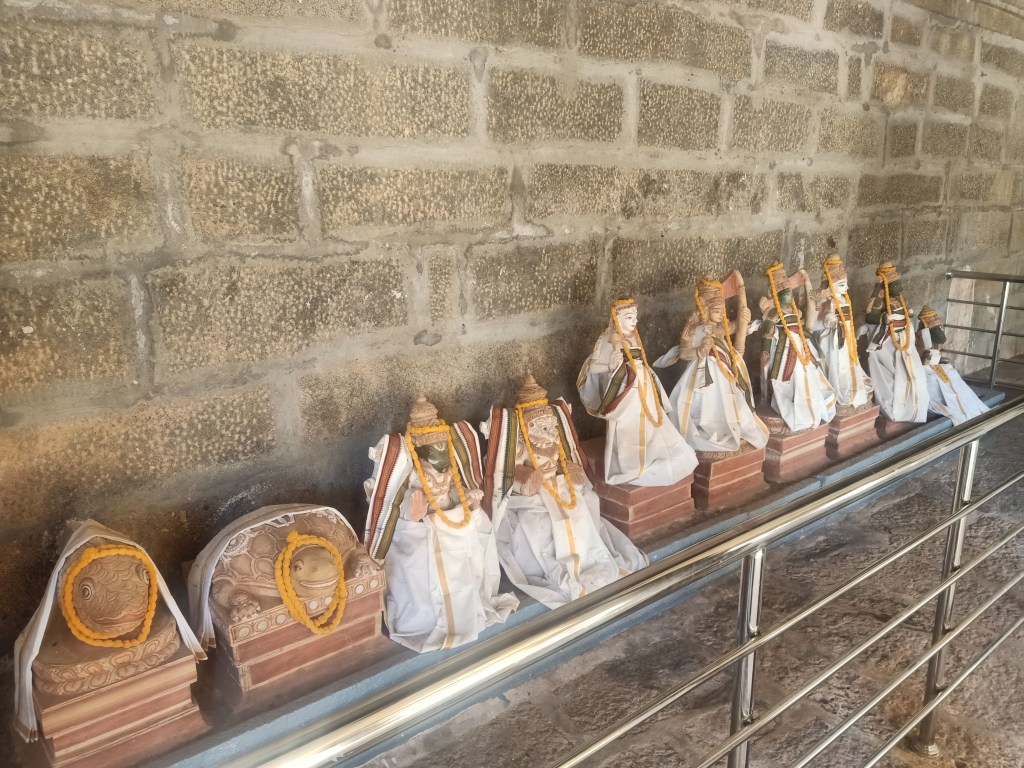
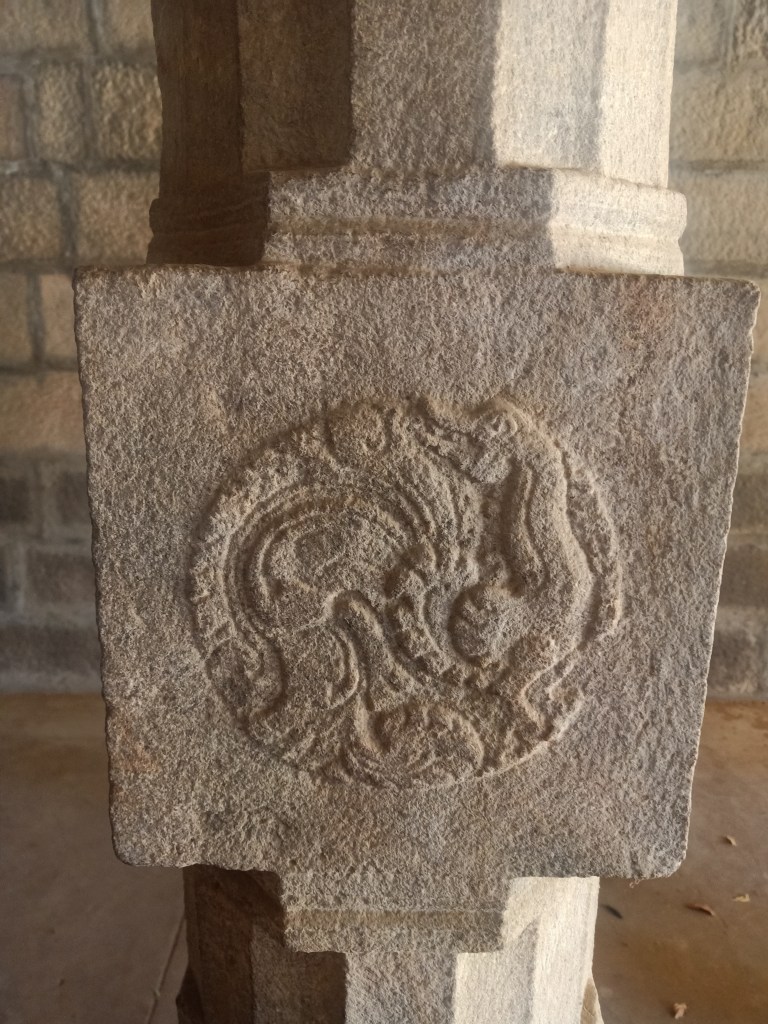
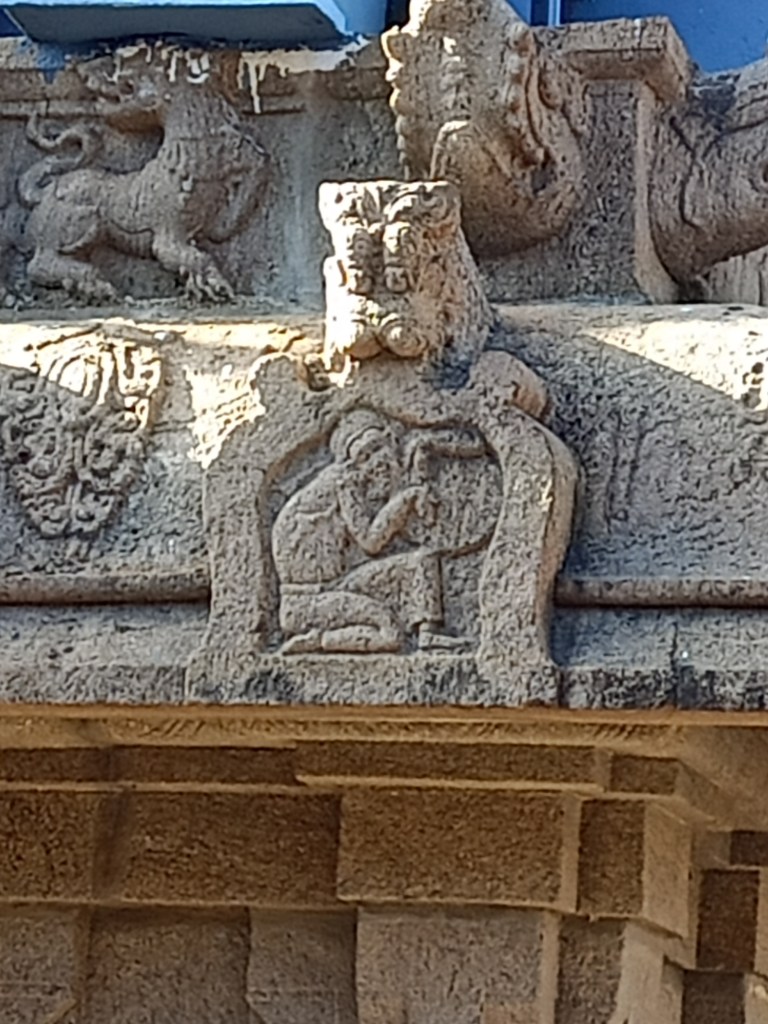
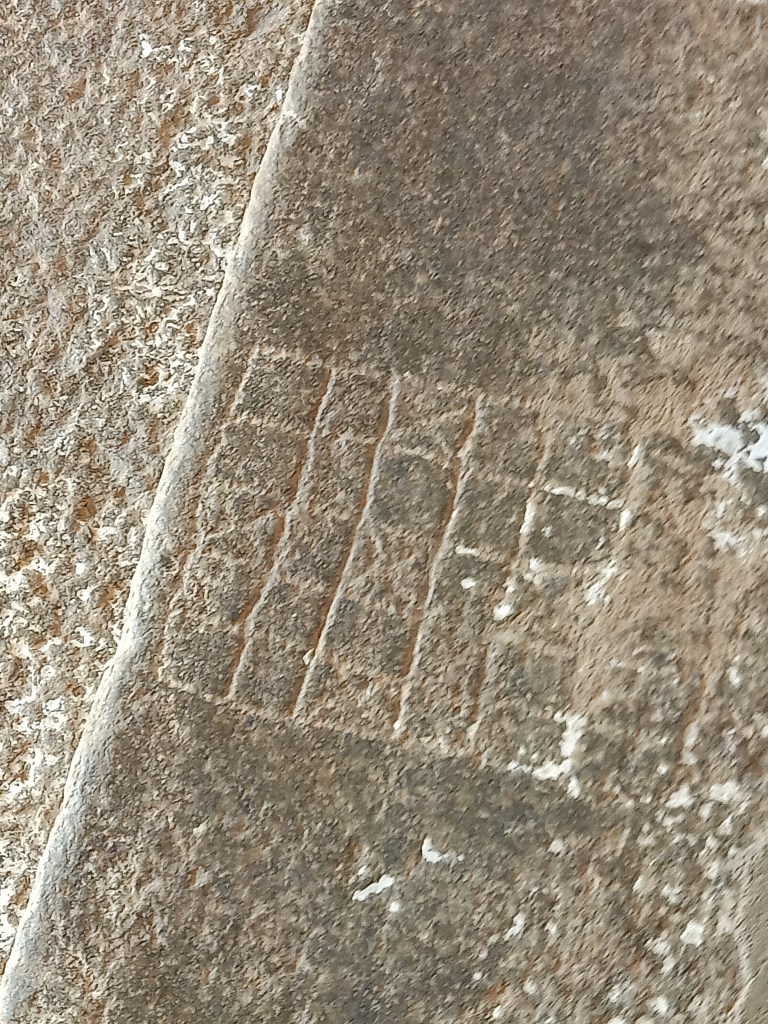
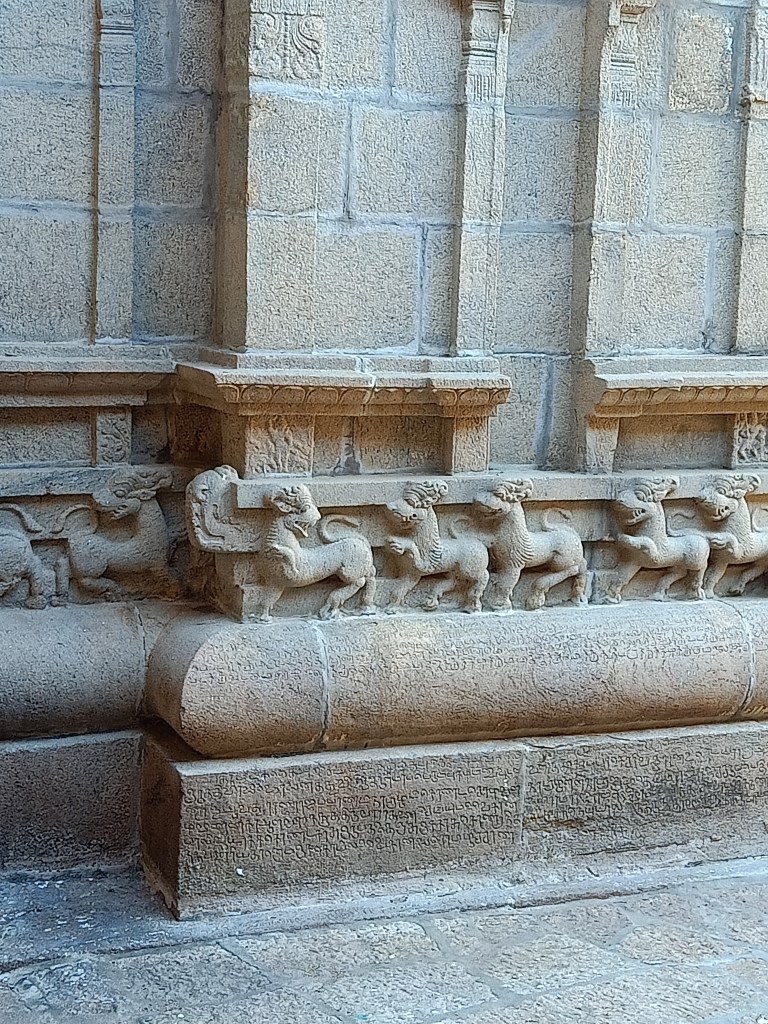
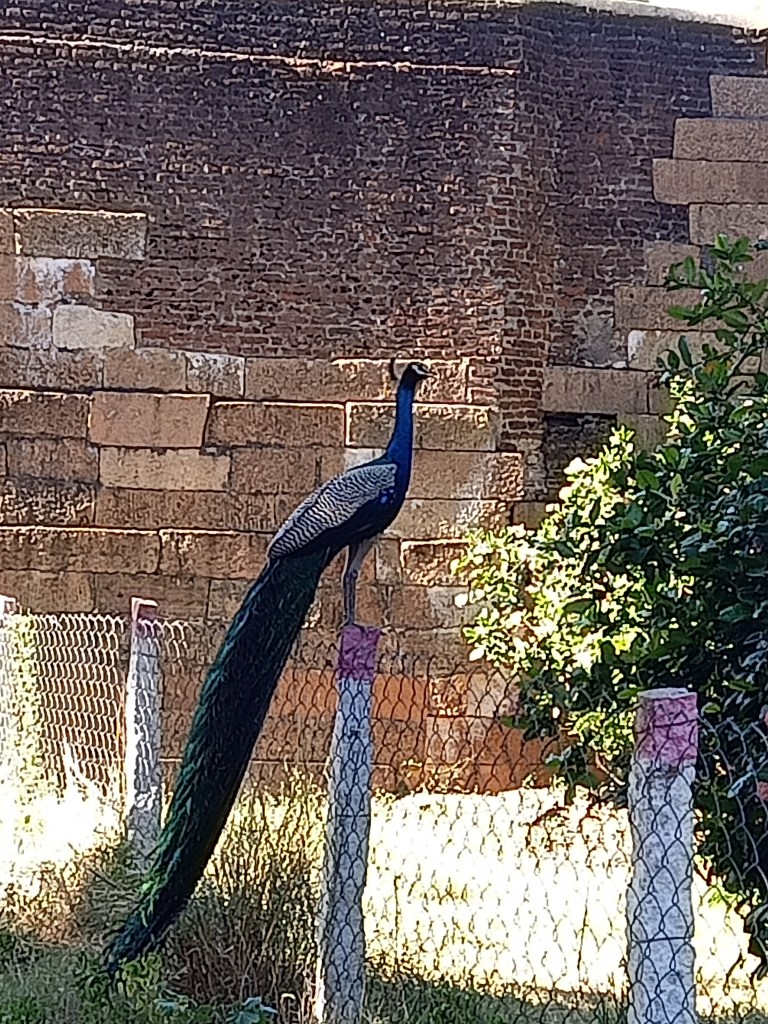
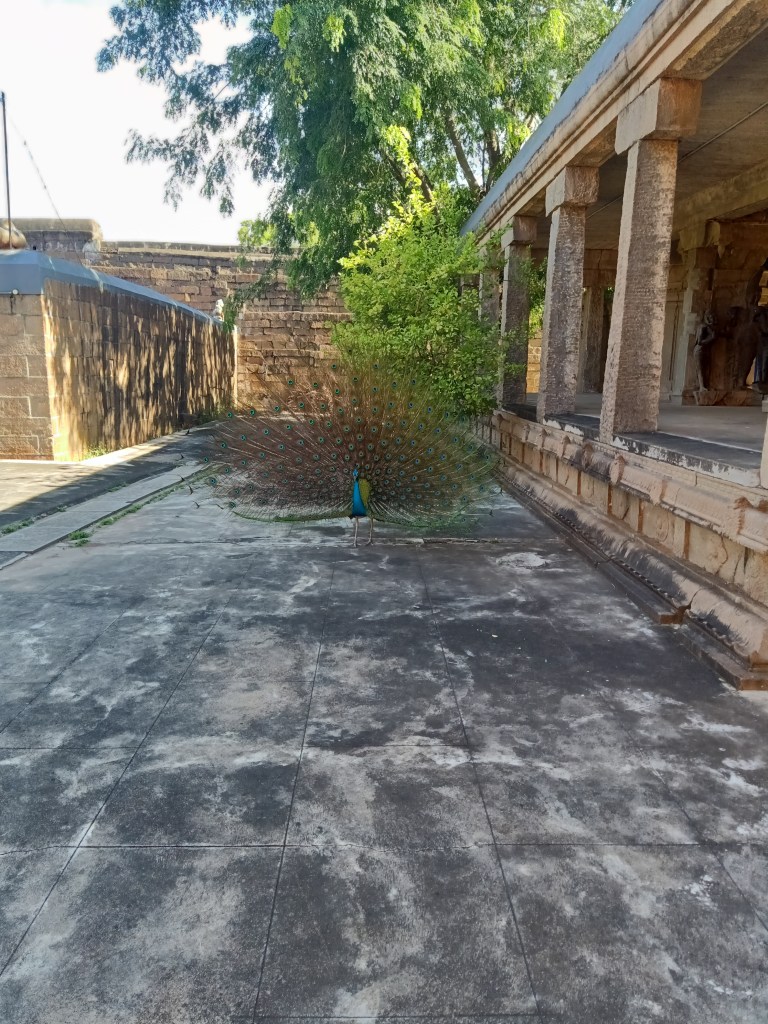
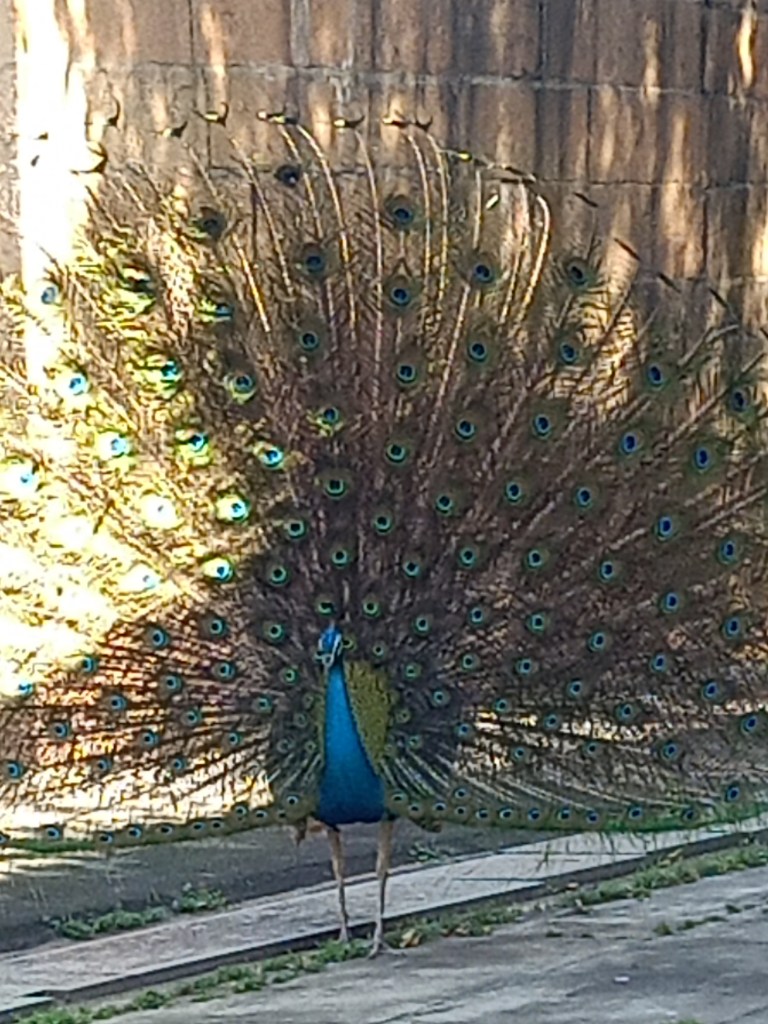
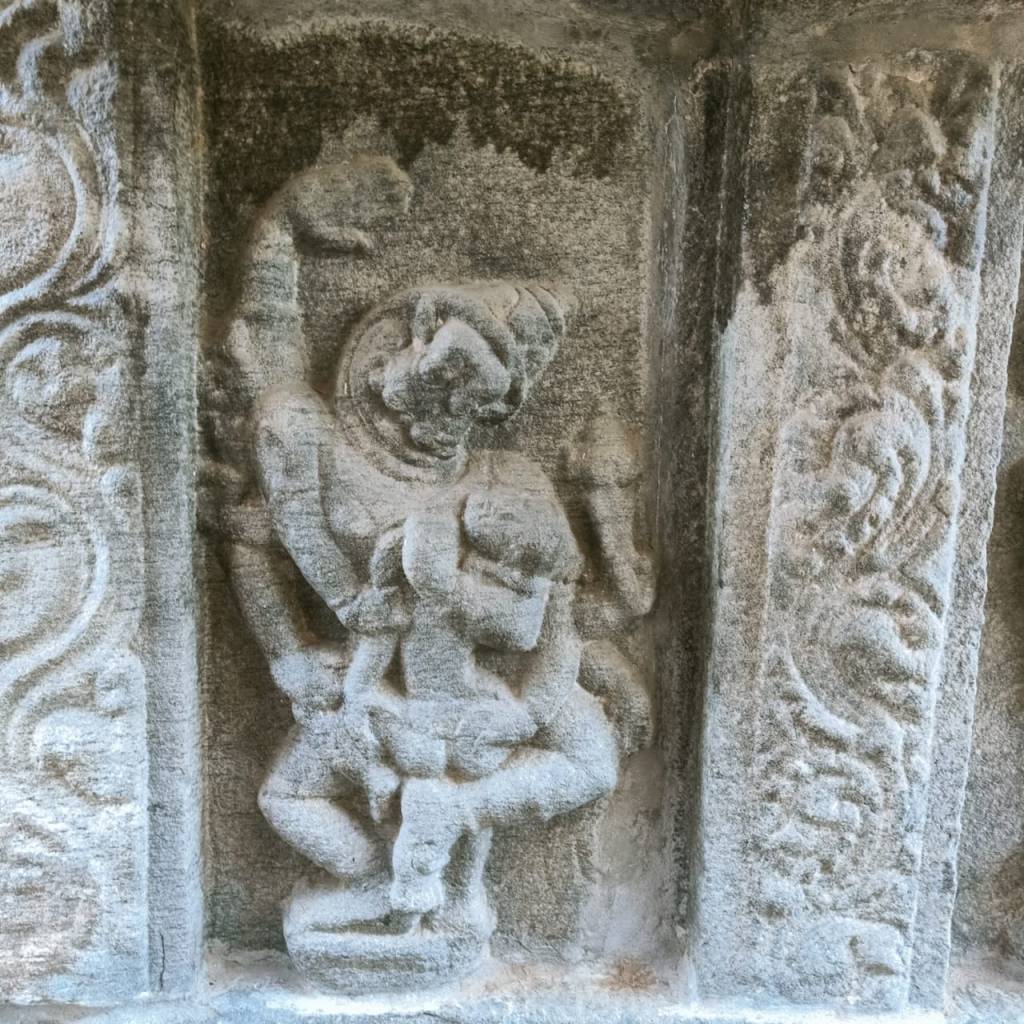
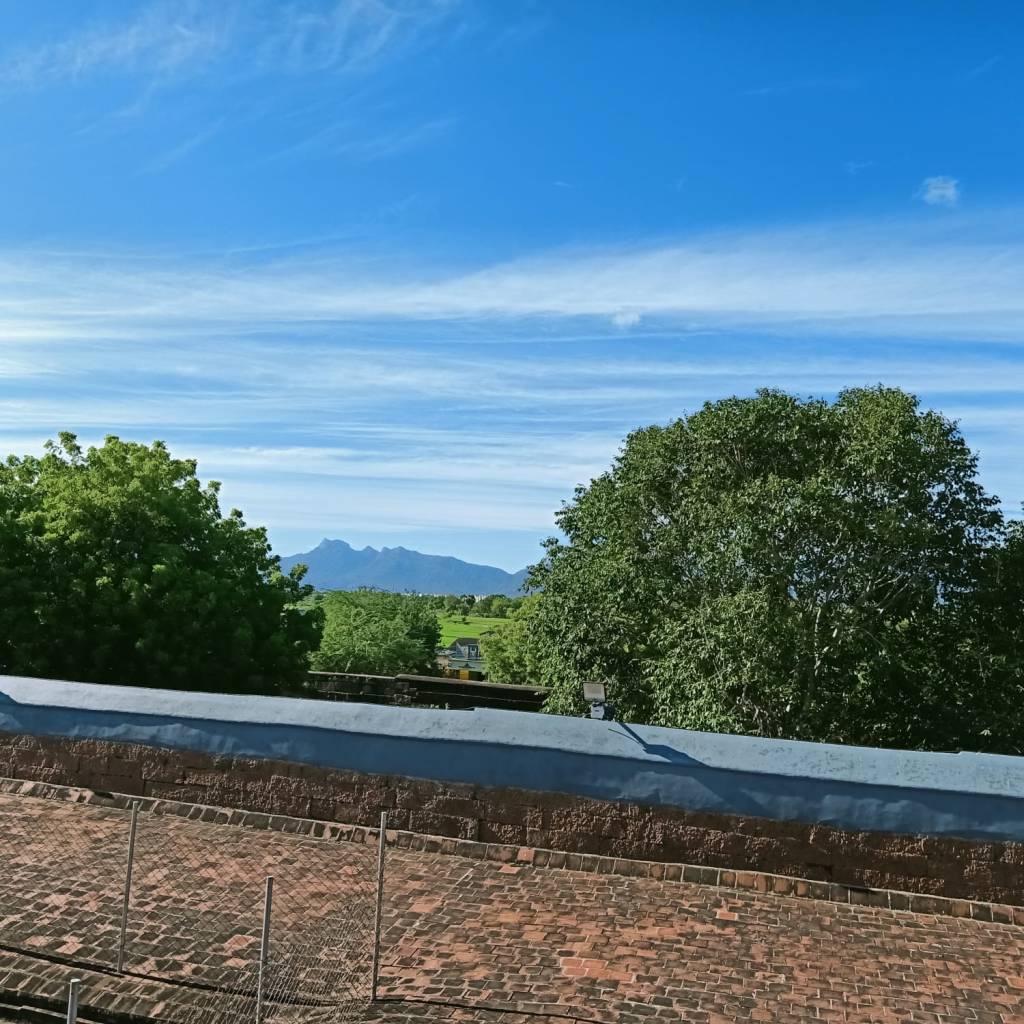
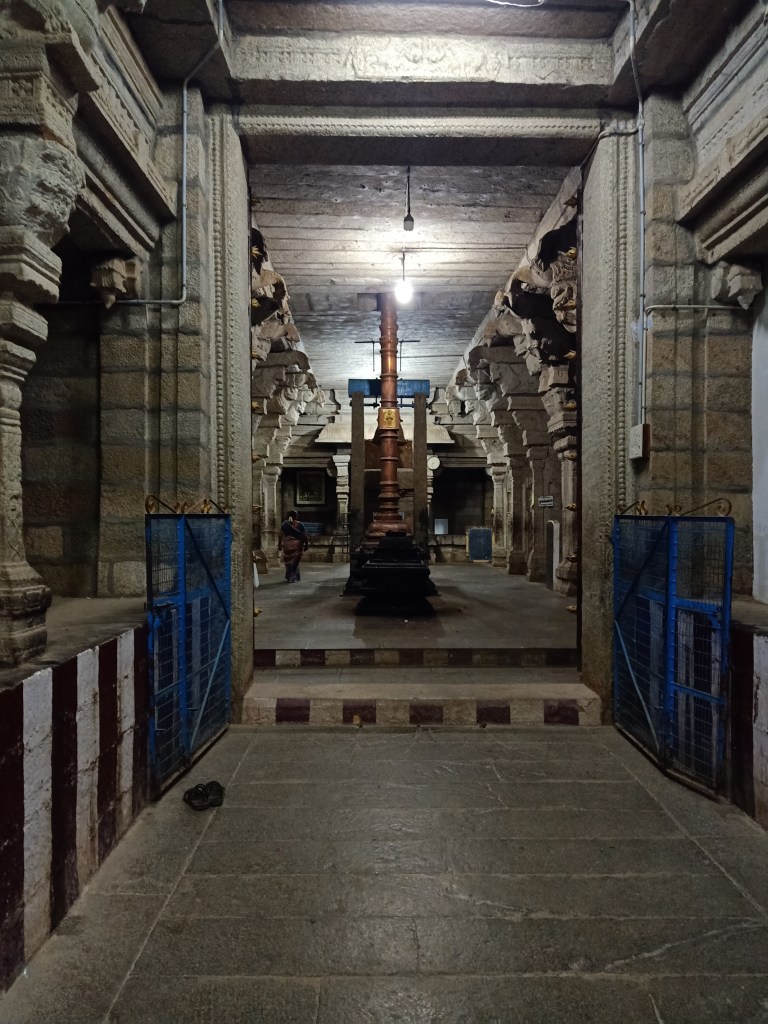
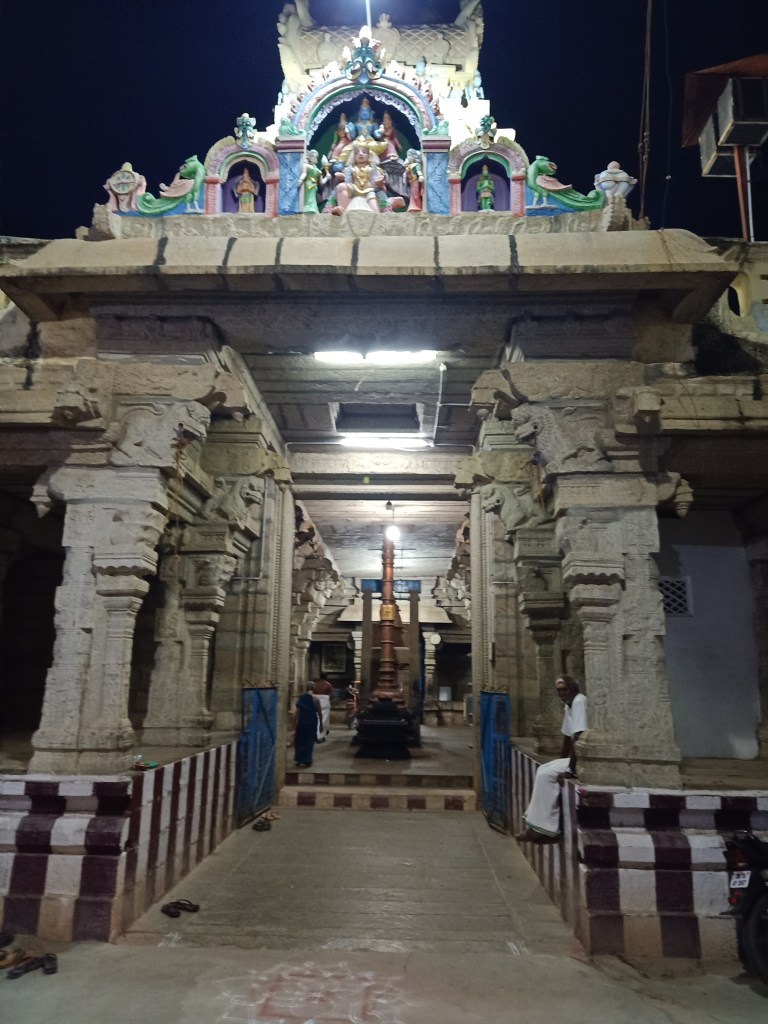
A must visit temple. This temple is located about 1 km from the Ambasamudram railway station and is in a quiet unassuming place but the 5emple stuns you. The temple follows Vaikanasa “Aagamam”. It has several inscriptions on stone, behind the main sanctum. One can infer from these inscriptions that all the three Tamil Kings (Chera, Chozha, Pandiya) patronized it. Kulasekara Alwar is supposed to have spent the last thirty-three years of his life in this temple worshipping his “Ishtadaivam” Rama who is present as Uthsavar in the “Kalyana Kolam”. “Vimanam” is “Ashtangam” and the pattern is similar to Ramaswamy Koil of Cheranmahadevi except that this temple appeared to have better patronage for maintenance. The garden surrounding the temple was beautiful and we cited at least two peacocks and one peahen. The printed descriptions on one of the walls quotes from several old Tamil literature of authority indicating that the forms of worship in temples of Tamil Nadu date back to at least two thousand years and organically blended into the life style and culture of people living in Tamil Nadu. Outside the first “praharam” and as one goes around the garden the “Brindavanam”/”Sannidhi” of Kulasekara Alwar can be seen on the North-eastern side. If one is interested in architecture, sculpture, history and reading of inscription then this temple has much to offer. If one is interested in taking a broader look at the village, climbing up the “vimanam” is suggested. This temple is a feast for those who are interested in architecture, sculpture, reading of inscription and carved game


Maragathambal Sametha Kashyapanathar Temple (“Erithaatkondaar”),
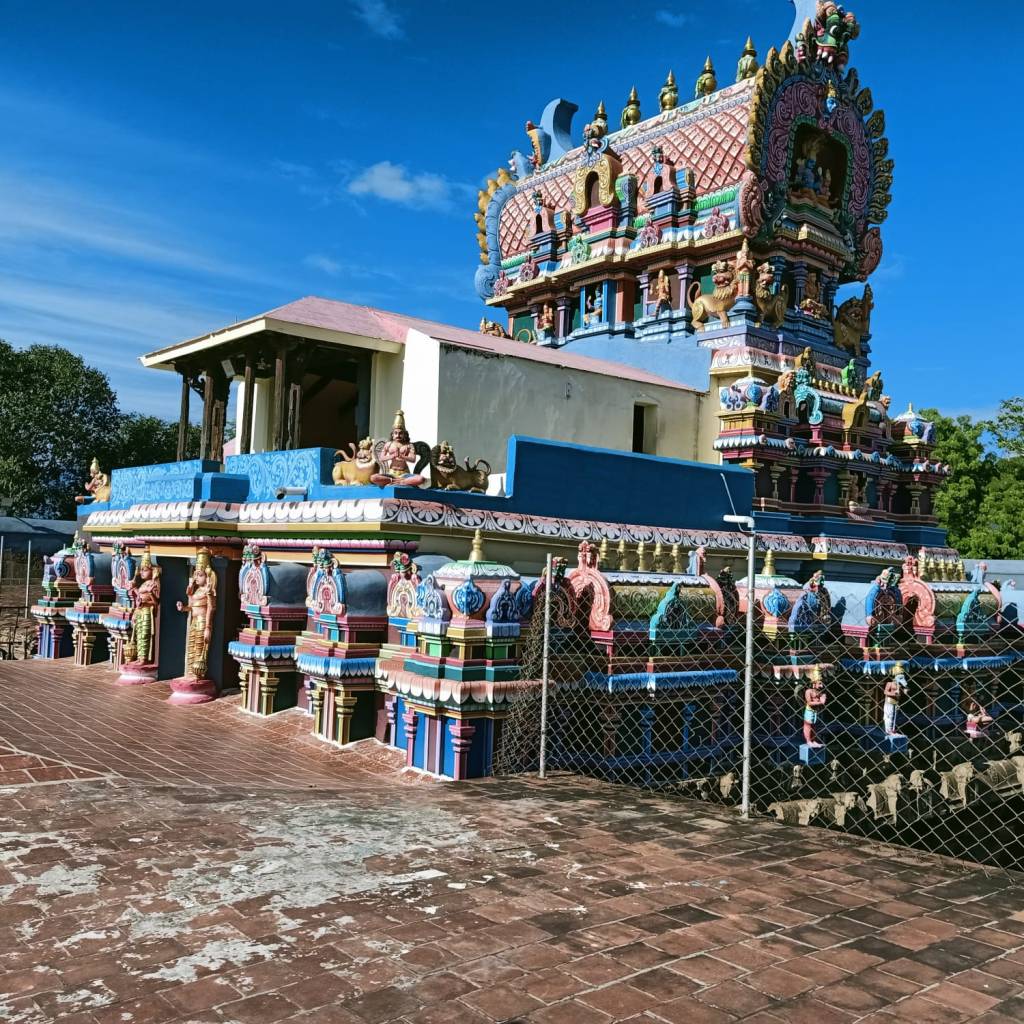
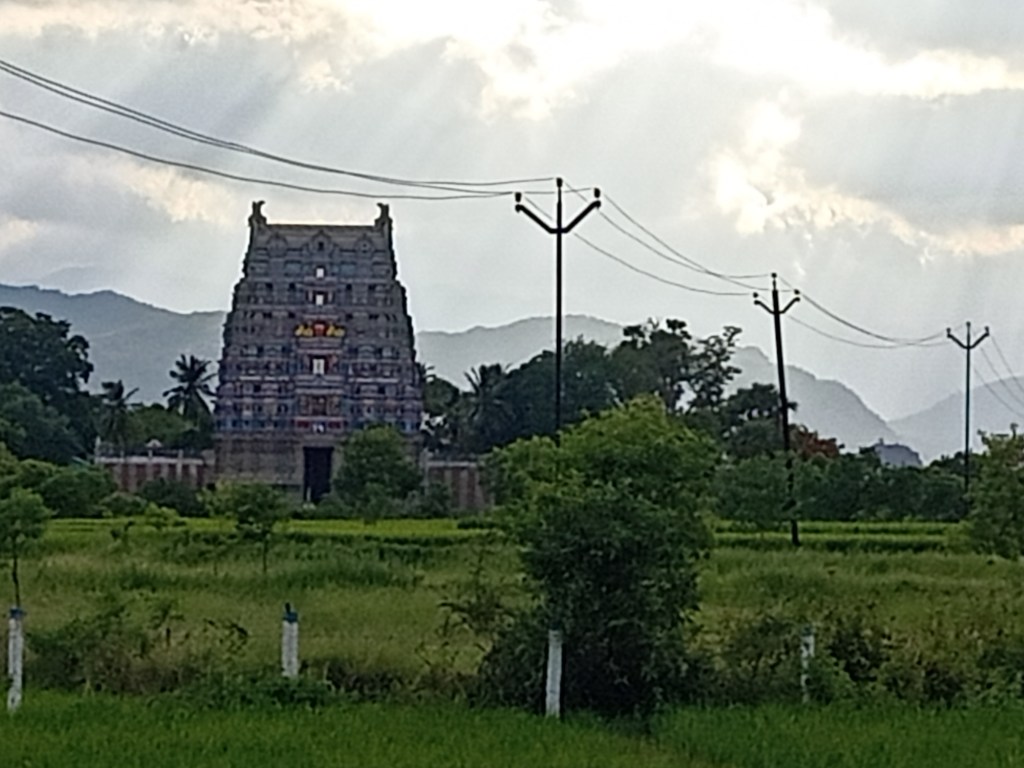
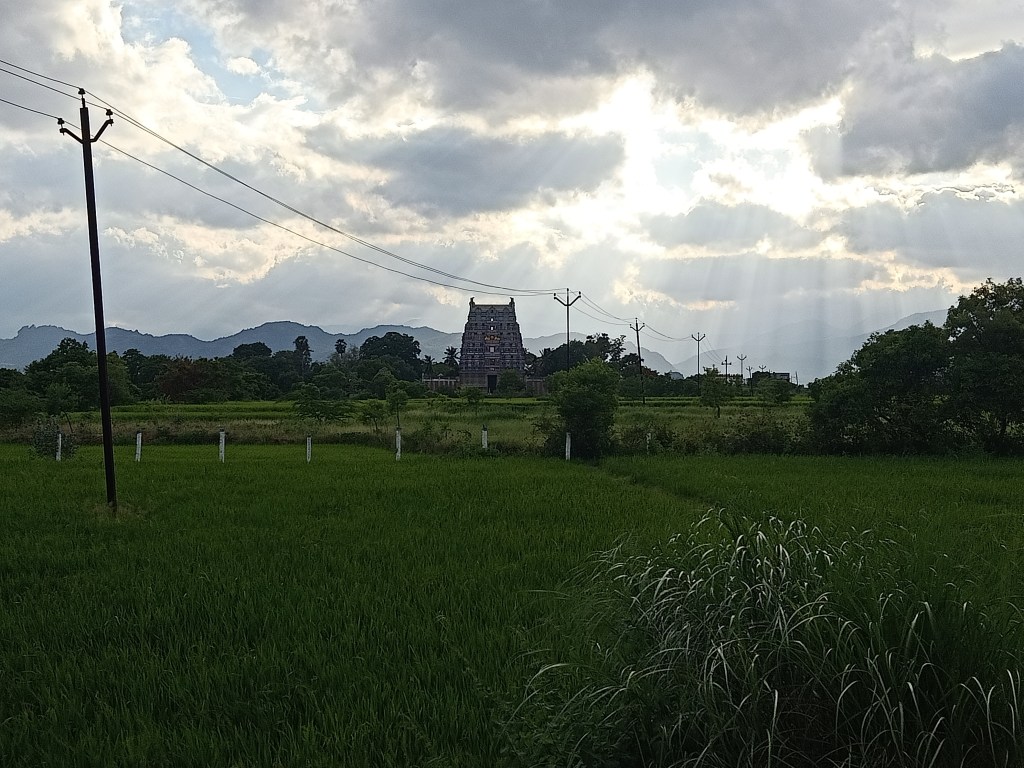
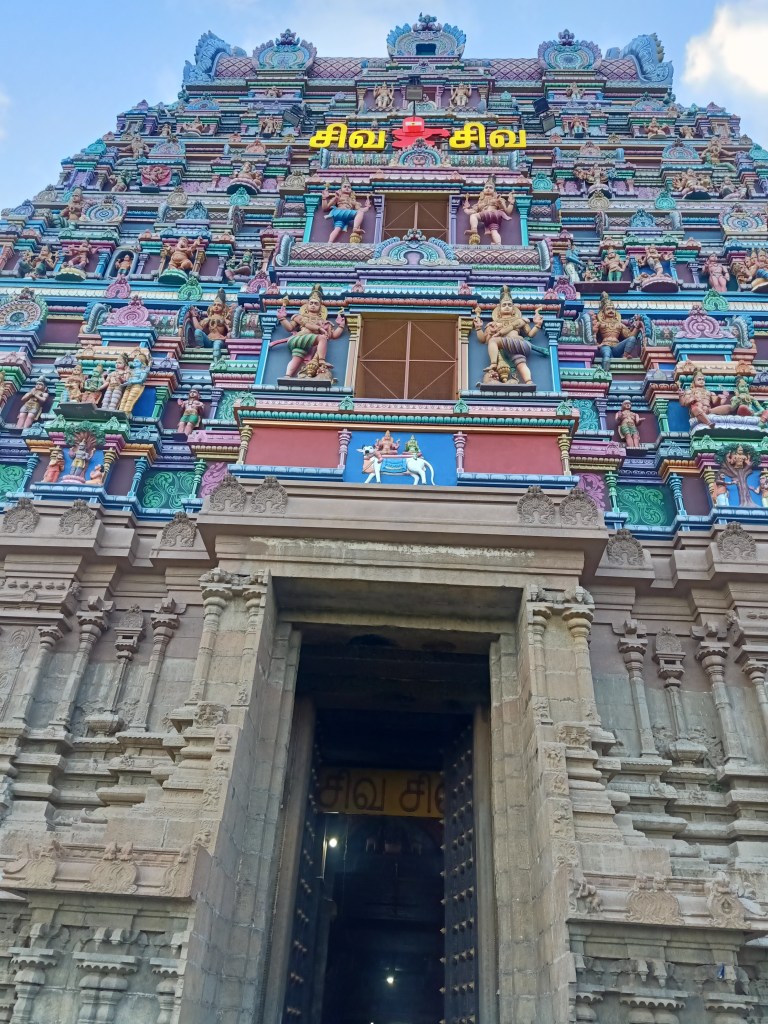
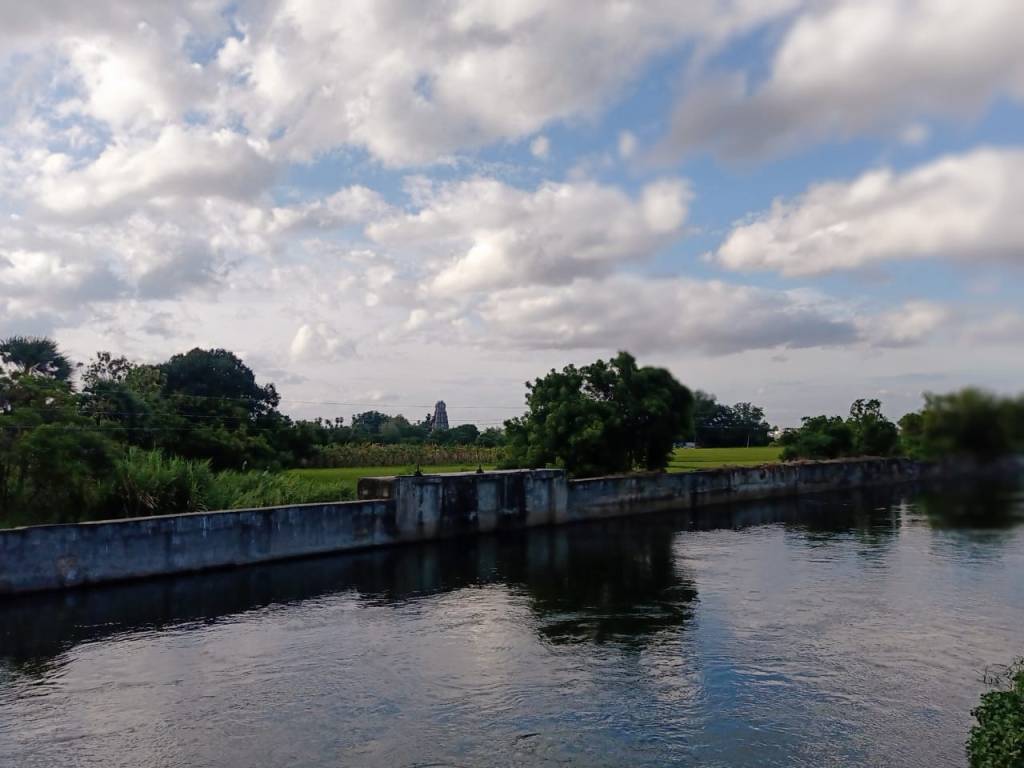
This is an impressive temple as one drives from Kallidaikurichi to Ambasamudram across the Kannadiyan Canal (first crossing) and Tamirabarani river (second crossing). It is also visible from the Kannadian Canal foot overbridge. It is a big temple with colourfully painted rajagopuram and could easily leave a very good first impression. It is also known as Dakshina-Kashi (as six burning ghats are located close to the temple on the banks of Tamirabarani river similar to Kashi) and “Erithaatkondaar” Temple. There are two “praharams” (circumambulatory path) and we could see inscriptions in granite in the praharam surrounding Kashyapanaathar “Sannidhi”. Maragathambal “Sannidhi” faces Tamirabarani river. According to the Sivachariar (temple priest) the place was called “Ambalsamudram”. Outside the first “prakaram” are two “Sannidhis” of “Perumal” and Shiva facing each other. The priest informed that according to local belief a Kannada Gayathri “Upasakar” took on the sins of the ruler, who had a terrible disease, by accepting a human edifice made from “gingelly seed or el”. With a mountain of sins left on him he wanted to get rid of the same. He therefore dug a canal from the place where he lived (close to Kallidaikurichi) to Singikulam (Pranchery) or by tracing the path taken by a freelancing cow from his place to the first place where it lied down to take rest. The canal is therefore called Kannadian Canal. Not satisfied with this feat and having taken a mountain of sin, he came down to Kashyapanathar Temple to seek his blessings. Kashyapanathar hid himself in the roots of a jack fruit tree within the temple as he wished to avoid seeing a person loaded with sin. Unable to find Kashyapanathar, the brahmin sought the help of the temple priest who misled him multiple times. Angered, he burnt him through the power of his Tapasya. Kashyapanathar wished to save his bakthas (priest and the brahmin) and therefore he appeared in person before the brahmin and requested him to forgive the priest as the priest lied out of his devotion to him. He not only restored the priest back to life but also took up the balance sin of the brahmin and this happened before “Perumal” and hence the lord is known as “erichattkondar”.
Chinna Sankaran Koil, Ambasamudram
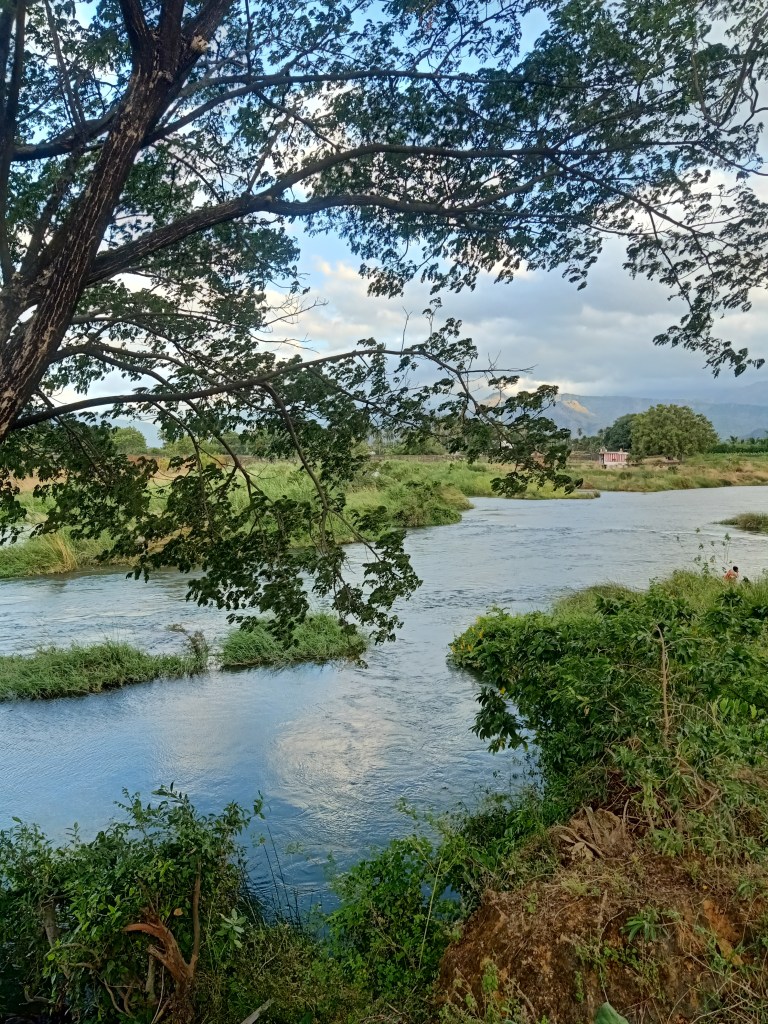
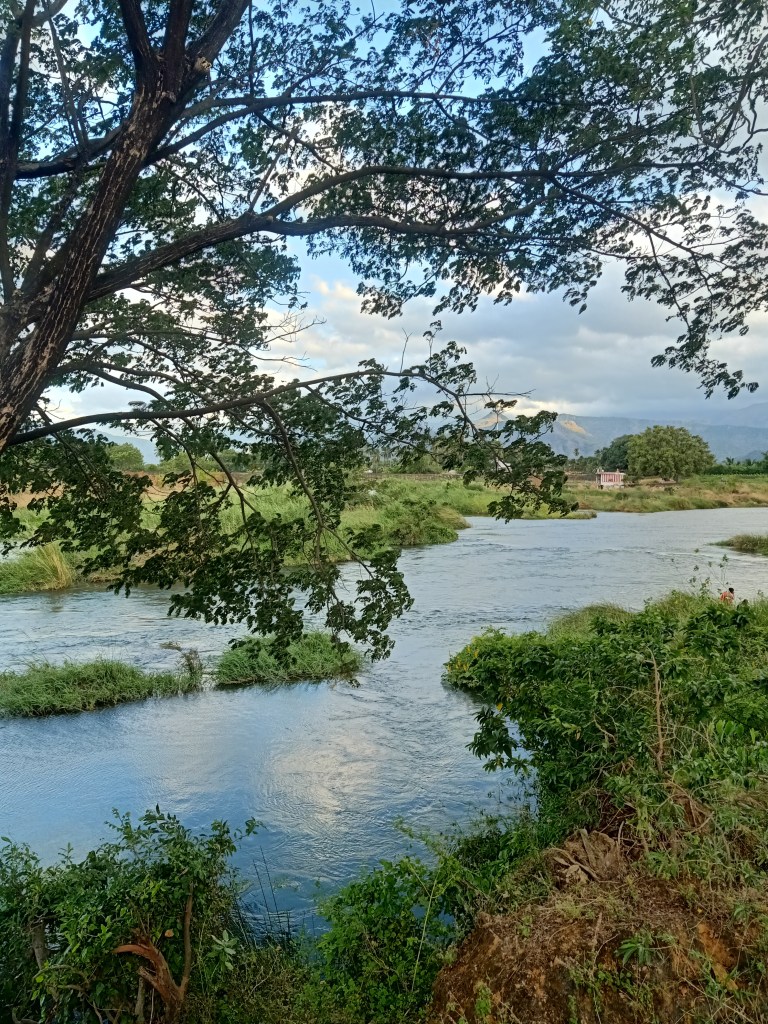
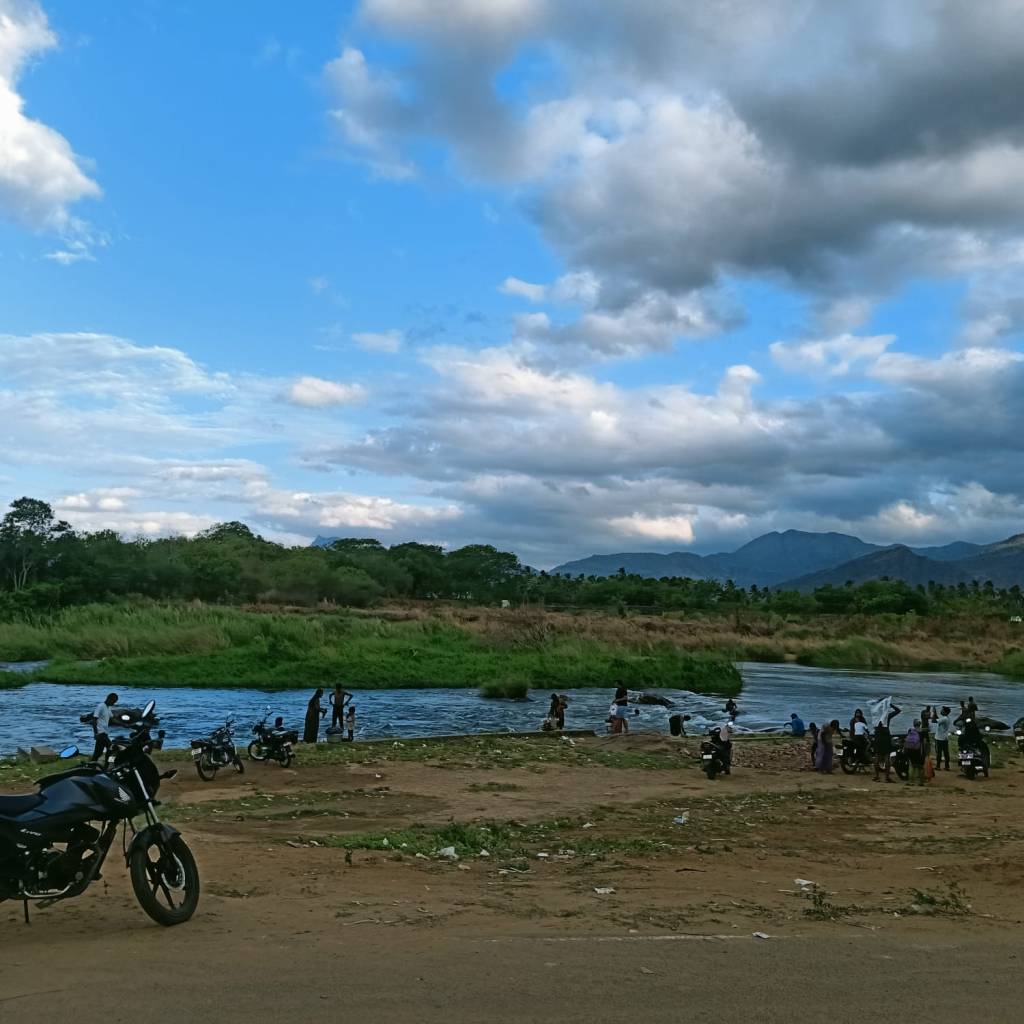
The “chinna” Sankaran Koil is located few kms west of Kashyapanathar temple along the banks of Tamirabarani. It appeared to be denominational temple (possibly patronized, largely, by a denomination or community). It is right on the banks of the Tamirabarani river (Padiththurai in Tamil parlance) where several local residents could be seen cooling their heels off after a heavy day of work.
Athi Varahar Temple, Kallidaikurichi
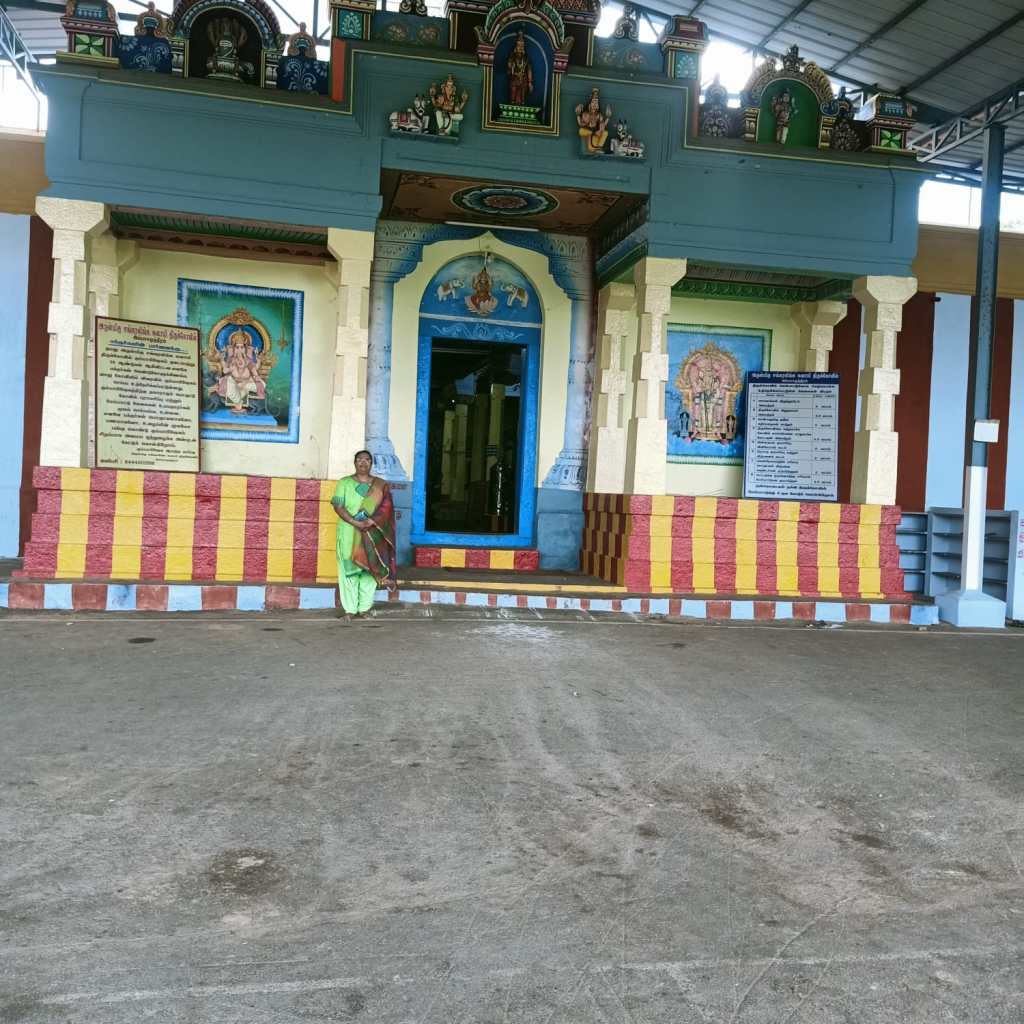
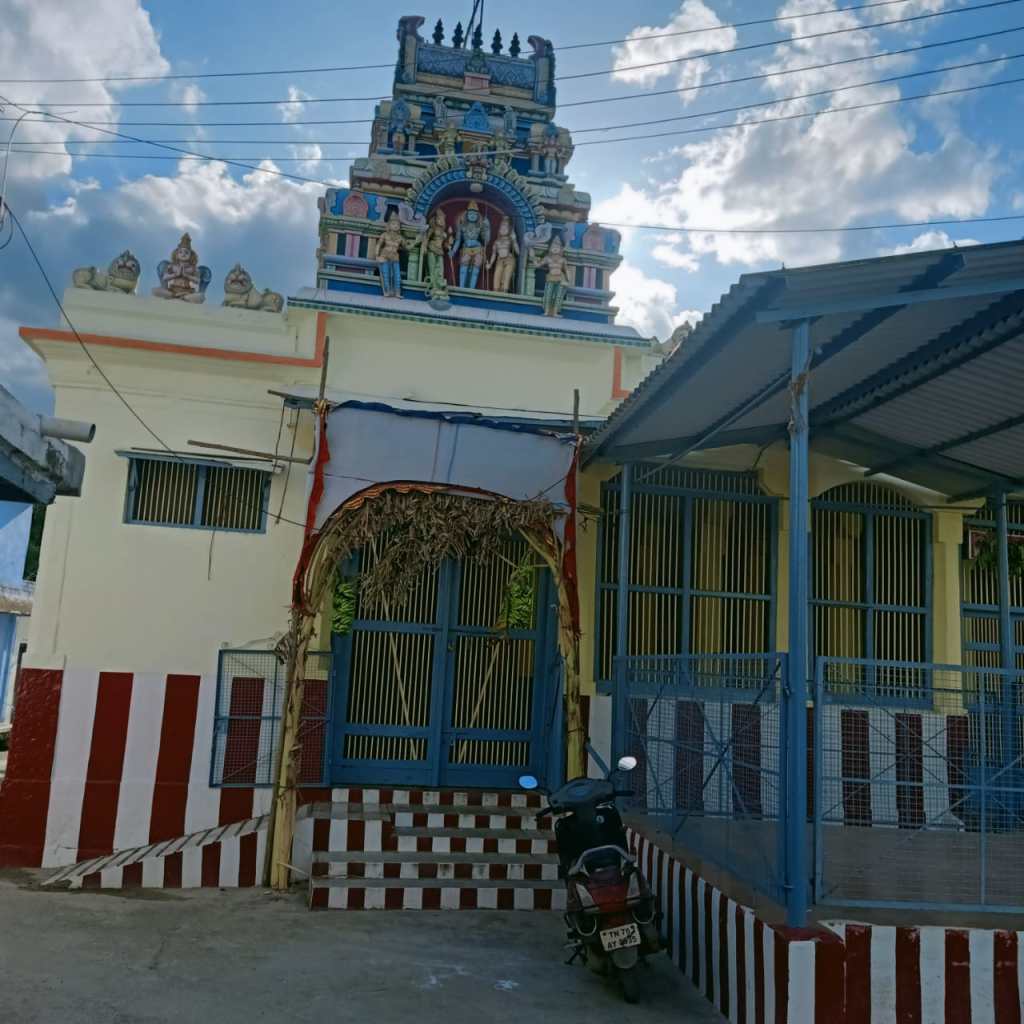
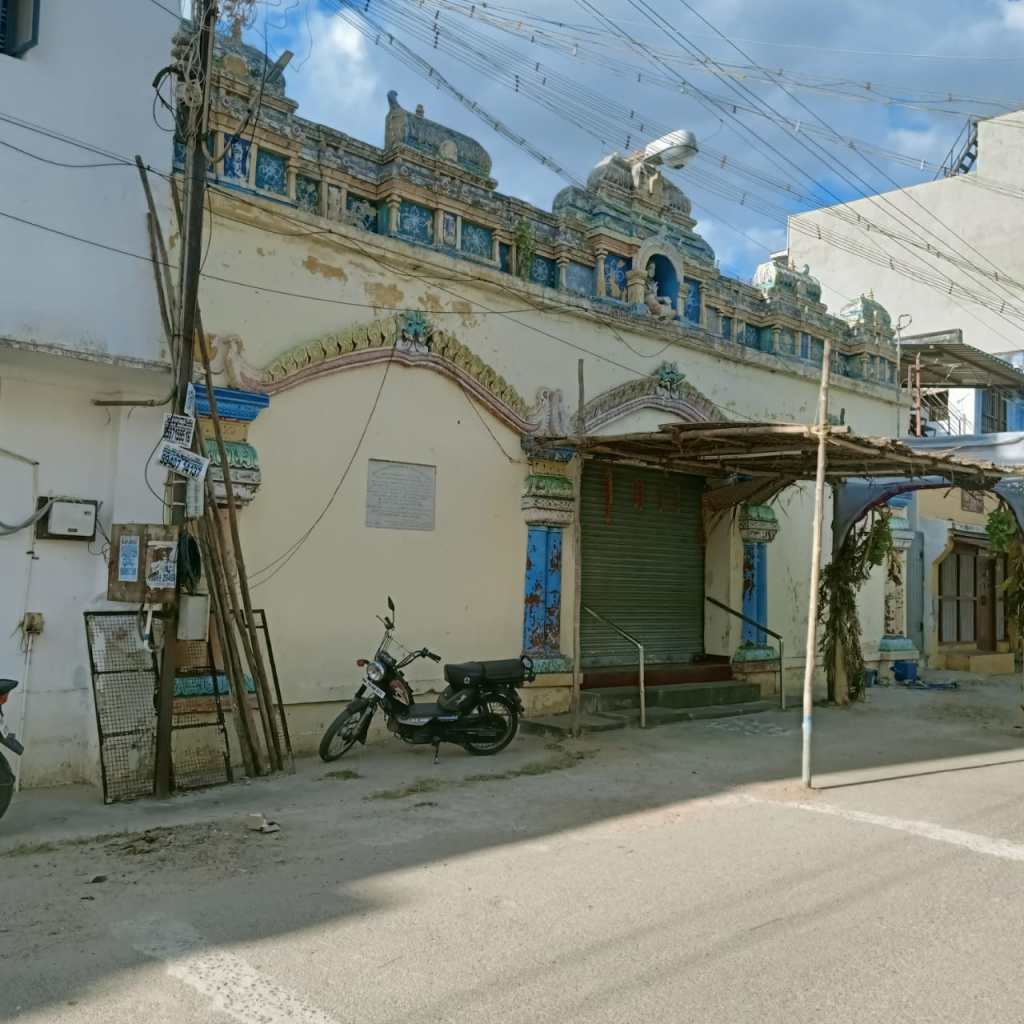
The Athivarahar Temple in the heart of the “Agraharam” in Kallidaikurichi appeared to be an old temple. Muthuswamy Dikshitar has composed a song in praise of this lord and therefore this temple must be at least 300 years old. In addition, there were number of inscriptions on the stone walls confirming the assumption that this must be an “old” temple. This Agraharam has eighteen streets and appears to be populated with at least 100 plus brahmins, largely above the age of 50 years. It is lively throughout the day and quiet at night. In addition to the Athivarahar temple, there is a small Ramar-Pillaiyar temple on the banks of Kannadiyan Canal and Sringeri Mutt, close to it. These four temples can be visited, leisurely, by anchoring at Kallidaikurichi or Ambasamudram. Alternatively, a directed half a day, preferably morning hours, from Tirunelveli may also be suitable.

 Wandering at 60's
Leave a comment